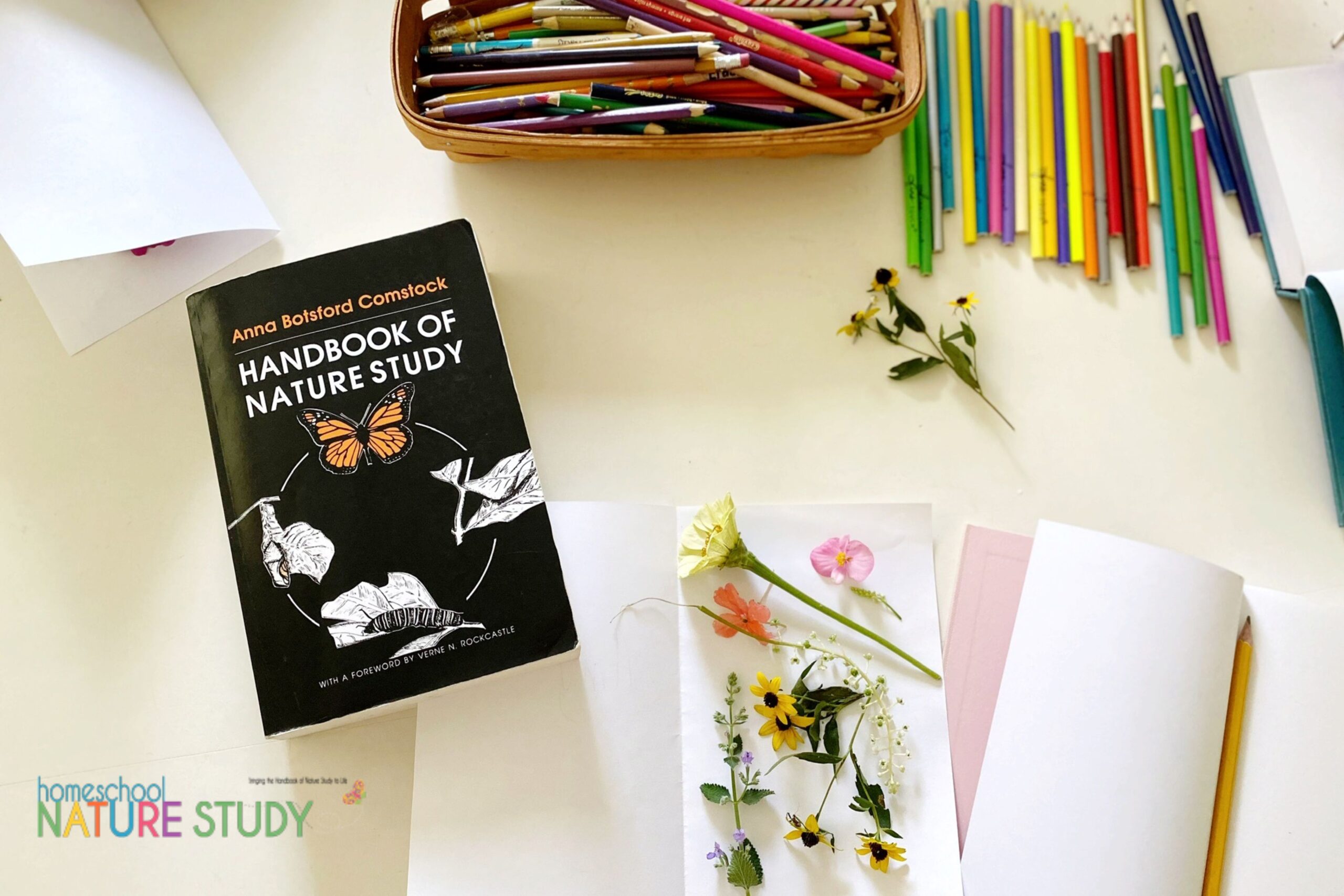
Posted on — Leave a comment

Fall Charlotte Mason Nature Study: The Homeschool Mom’s Guide

This comprehensive guide to Fall Charlotte Mason Nature Study includes activities and resources for family learning.

As August gives way to September and summer slowly slips away to allow autumn to wrap us up in its brilliant display of color, mother turns her attention to planning her fall homeschool.

Fall Charlotte Mason Nature Study

In our Charlotte Mason homeschools, autumn is a time of fresh starts, fresh plans and new hope for the forthcoming year.

This comprehensive guide to Fall Charlotte Mason Nature Study includes activities and resources for family learning.

As the season shifts and the days begin to draw in, it seems natural to start our plans by considering our fall nature studies. Nature study intertwines beautifully with other areas of study such as art appreciation, poetry, geography and science. It also gifts the humble homemaker ample opportunity and inspiration to cultivate an atmosphere of coziness within her home(school).

Apples, cider, crisp leaves, corn mazes, frost and cold air are all part of the season and simply beg to be explored, studied and brought indoors!

Activities For Fall Nature Study In Your Homeschool

Tree and Leaf Studies Perfect for Fall

I think we all agree that you simply cannot embrace all that fall is without planning a seasonal tree and leaf study. Autumn days are filled with colored leaves, falling leaves, raking leaves, and jumping into great big piles of fallen leaves. Have a look at some of our wonderful tree and leaf studies from our archives and from our own personal blogs:

This comprehensive guide to Fall Charlotte Mason Nature Study includes activities and resources for family learning.

Downloadable Resources

Pumpkins and Apples for Fall Charlotte Mason Nature Study

As the pumpkins ripen in the fields and the apples in the orchards, local farmers open up their farms to the public providing the perfect opportunity to plan a ‘pumpkin and apple homeschool’ week. Enjoy a trip out to the farm and pick out a few pumpkins and basket of apples. Then come home and bake a pumpkin or apple pie and enjoy reading some seasonal read-aloud books as you learn more about these delightful seasonal fruits.

This comprehensive guide to Fall Charlotte Mason Nature Study includes activities and resources for family learning.

Fall Fungi

“In times of old, not only was it believed that toads sat on them (toadstools), but that fairies danced upon them and used them for umbrellas. The poisonous qualities of some species made them also a natural ingredient of the witch’s cauldron. But science, in these days, brings revelation concerning these mysterious plants which are far more wonderful than the web which superstition wove about them in the days of yore.”

Anna Botsford Comstock, Handbook of Nature Study, page 714
This comprehensive guide to Fall Charlotte Mason Nature Study includes activities and resources for family learning.

As can be seen from the excerpt from the Handbook of Nature Study that we have long held the view that mushrooms are rather mysterious, enchanting and quite fascinating. We can also agree that most of us regard mushrooms and toadstools with suspicion and caution, and for good reason. There are many poisonous mushrooms out there, and some of them are deadly. Names such as ‘death cap’, ‘destroying angel’ and ‘funeral bell’, warn us to steer clear!

One of our favourite fall activities in our homeschool is to go on a fungus spotting walk through out local woodlands. There is something quite atmospheric and wonderful about walking through a woodland in autumn all wrapped up in our hand knits and kicking through fallen leaves as we hunt for fungi and mushrooms.

Here are a few posts to get you started as well as some lovely free downloadable spotter sheets for you to take with you.

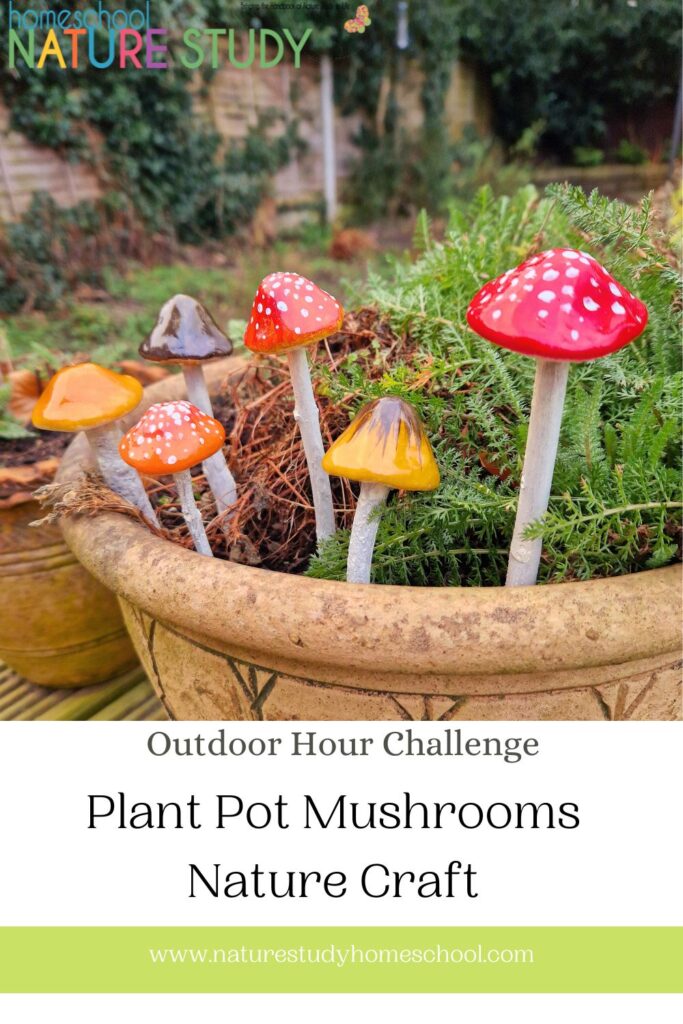
plant pot mushrooms nature craft

Downloadable resources

Keeping a Nature Journal This Fall

We all know that Charlotte Mason encouraged her students to keep a Nature Notebook or Nature Diary. These notebooks were inscribed with fine prose and illustrated in delicate watercolours.

According to Charlotte’s recommendations, all illustrations should include captions: the Latin name of the specimen, it it’s available, as well as the familiar name. A flower and bird list can be kept at the back of the Notebook, as well as other lists which may interest the individual child such as fungi, insects, trees etc.

These notebooks should be considered a part of a living education where the child’s relationship with nature can be expressed within its pages. Try to avoid criticism, unless it is to give helpful suggestions.

Anna Botsford Comstock said of notebooks, “of whatever quality, are precious beyond price to their owners. And why not? For the represent what cannot be bought or sold – personal experience in the happy world of outdoors.”

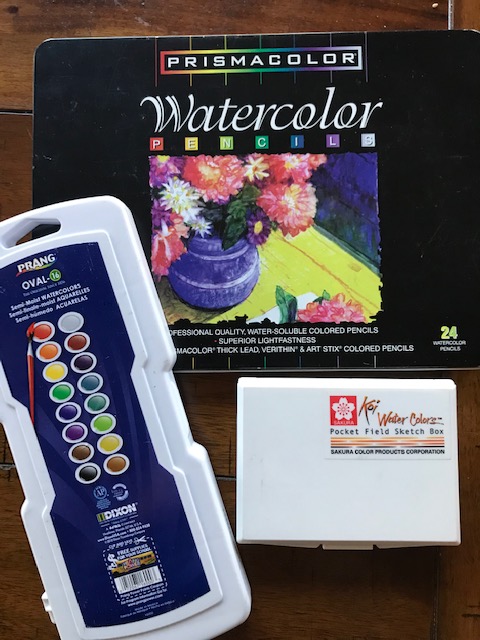
The Nature Notebook is a way for our children (and us) to connect better with nature and to learn its patterns. If you have not dipped your toes into the world of nature journaling, I would encourage you to dive in this fall. You do not need to invest in expensive art supplies, just grab a blank notebook, some pencils and get out there. You can purchase an inexpensive field watercolor set of paints in the coming weeks but for now I would encourage you to just take the leap and do a quick sketch of what you can see before you. Don’t judge your drawing, you are not an artist yet. You are a scientist, simply recording what you see in this moment of time.

Here are some helpful links for your adventure in nature journaling.

Below are some additional Charlotte Mason resources for your homeschool. We hope that you have a wonderful fall season of exploring and learning outdoors.

Additional Charlotte Mason Resources For Your Homeschool

Endless Access to Outdoor Hour Curriculum in Homeschool Nature Study Membership

We are sure that this fall Charlotte Mason nature study guide will keep you very busy however, we would encourage you to join the Homeschool Nature Study membership. With our membership you will have Homeschool Nature Study resources at your fingertips and can incorporate nature study at your family’s own pace.

You can choose guided or independent nature study with the membership monthly calendar prompts and printables.

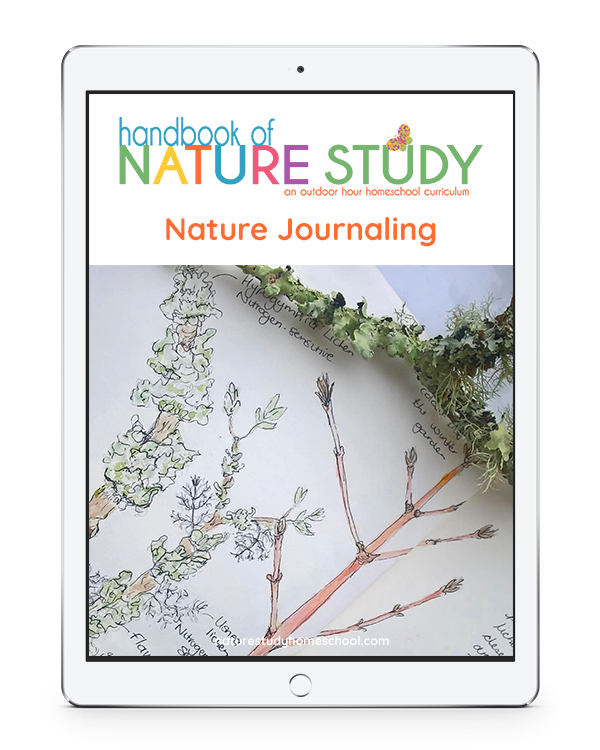
We have monthly, quarterly and annual homeschool nature study memberships and you will enjoy endless access to everything including our exclusive Nature Craft Course, Nature Journaling Course and The Outdoor Mom Course!

Be Inspired. Be Encouraged. Get Outdoors!
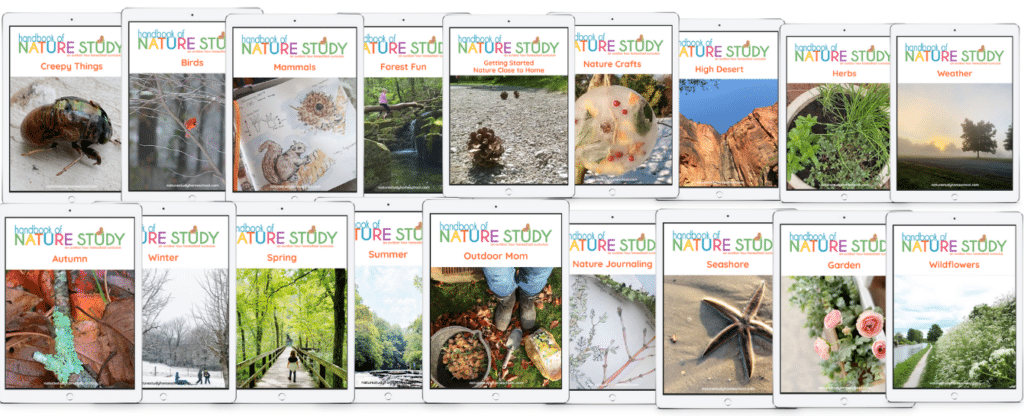
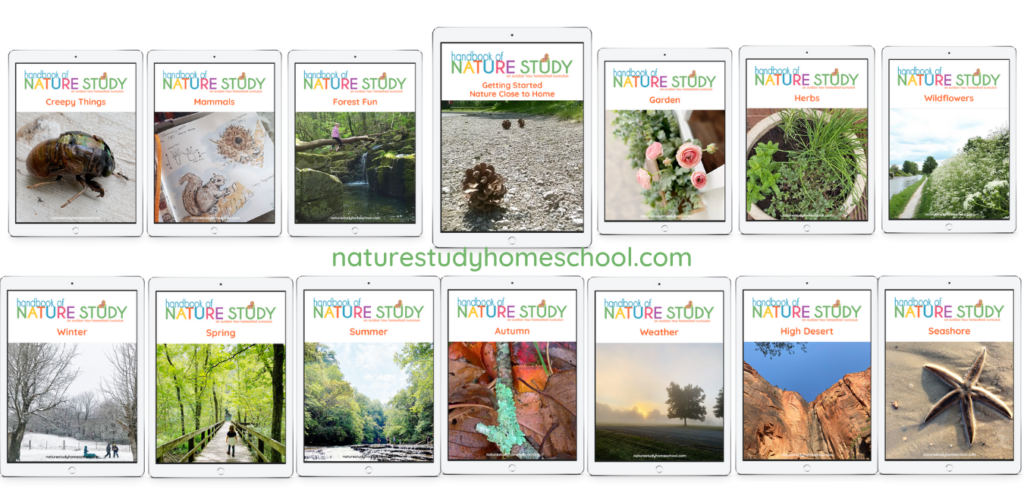
An image showing the full collection of Nature Study courses

Connect With Our Homeschool Community On Social Media

Did you enjoy this Outdoor Hour Challenge? Be sure to tag us on Instagram @outdoorhourchallenge and use the hashtag #outdoorhourchallenge so we can see and comment!

Posted on — Leave a comment

Seashore Activities And Worksheets For Kids

A trip to the beach can be a fun family time experience. When you add a few purposeful seashore observations, the trip can transform into beautiful long lasting memories. One summer we headed to the beach in Naples Florida. It wasn’t long snorkeling before many starfish suddenly started to make themselves known to us. A few of these creatures even swimming right into my husband’s gloved-hand. The boys were absolutely thrilled and it’s a memory they still bring up almost 10 years later.

That evening we discovered there are over 2,000 different species of starfish! All because we were on the look to discover something unique and different. I’m not against building sand castles and even taking a nap in the shade. I am pro-nap! But when we went on these excursions with purpose, eyes open, ready to observe the world around us – it made such a difference!

seashore field trip

Seashore Observations for Nature Study Activities

Here are a few helpful tips to turn a beach trip into a Nature Study.

  1. Go with an intention. Are you looking for shells? Animals? Crab hunting? Trash pick up? Have a purpose, but also be flexible. There were days when the boys only wanted to find a sand dollar. That’s a big ask on the east coast of Florida. Maybe instead of a specific shell, decide on a size or color. Maybe something living inside the shells.
  2. Set Perimeters. The beach is a big place. Square off an area to observe. You can even assign each student a square area (usually drawn by my big toe), to dig, notice, and report any findings.
  3. Use Back Up Help (curriculum!). It’s always helpful to have some back-up help with curriculum, field guides, books, etc. When we were using Apologia’s Swimming Creatures – there was always a purpose to go to the seashore.
  4. Observe with Eyes Only. As pretty as some things are at the seashore, not everything should be touched. We learned this the hard way one trip when my youngest decided to step on a “squishy” jellyfish. As for that old myth, it’s a myth. Only rubbing alcohol got the sting out of those poor piggies.
  5. Visit the Aquarium. Your local Aquarium offers vast amounts of seashore information! From plants, bugs, and animals you might not even notice at first glance. It’s great to see them at the aquarium and then be on the hunt for them in the wild!
  6. Visit Different Seashores! We lived in Florida for 30 years, the east coast is much different than the west coast. I can also say upon our travels: Florida beaches are different from Cape Cod beaches. Florida beaches are much different from Costa Rica beaches. And Florida beaches definitely do not offer the monkey business like a Thailand beach!

Please pick up your trash – whichever beach you visit! The monkeys in Phuket are now becoming aggressive. We watched a group steal a woman’s bag off her back and rip open a can of Pringles.

Nature Study Member Worksheets: Ocean Study

We love to offer helpful free downloads to add to your nature studies. Here are a few new resources for your Seashore and Ocean Study.

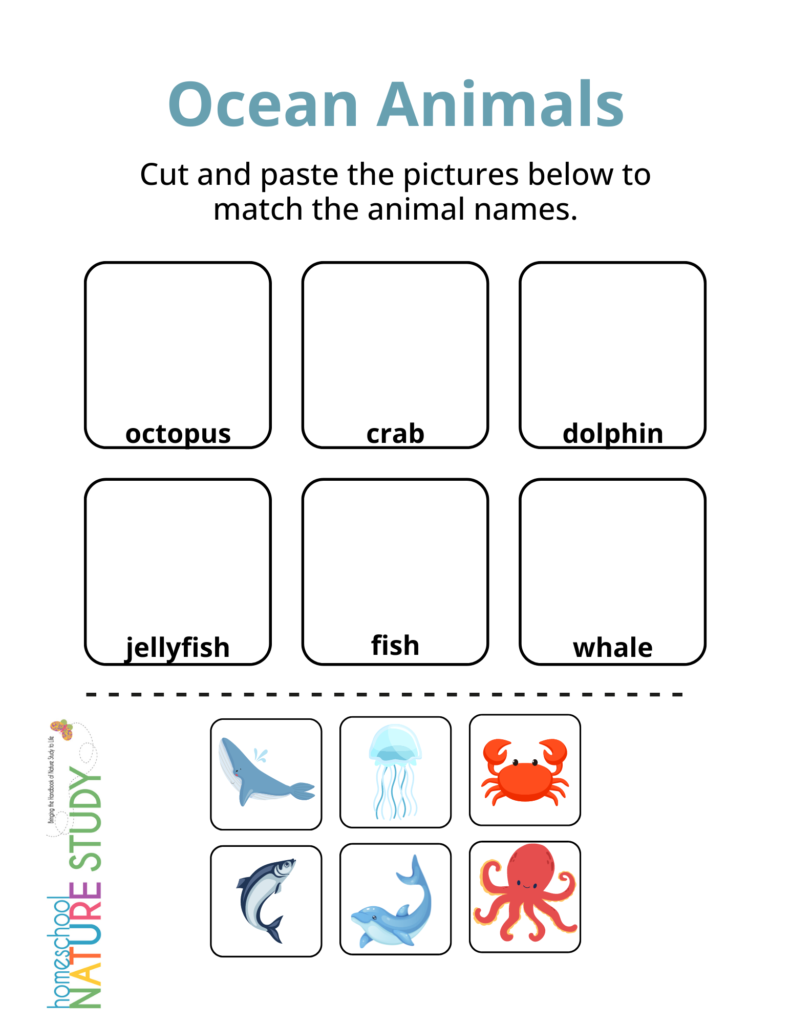
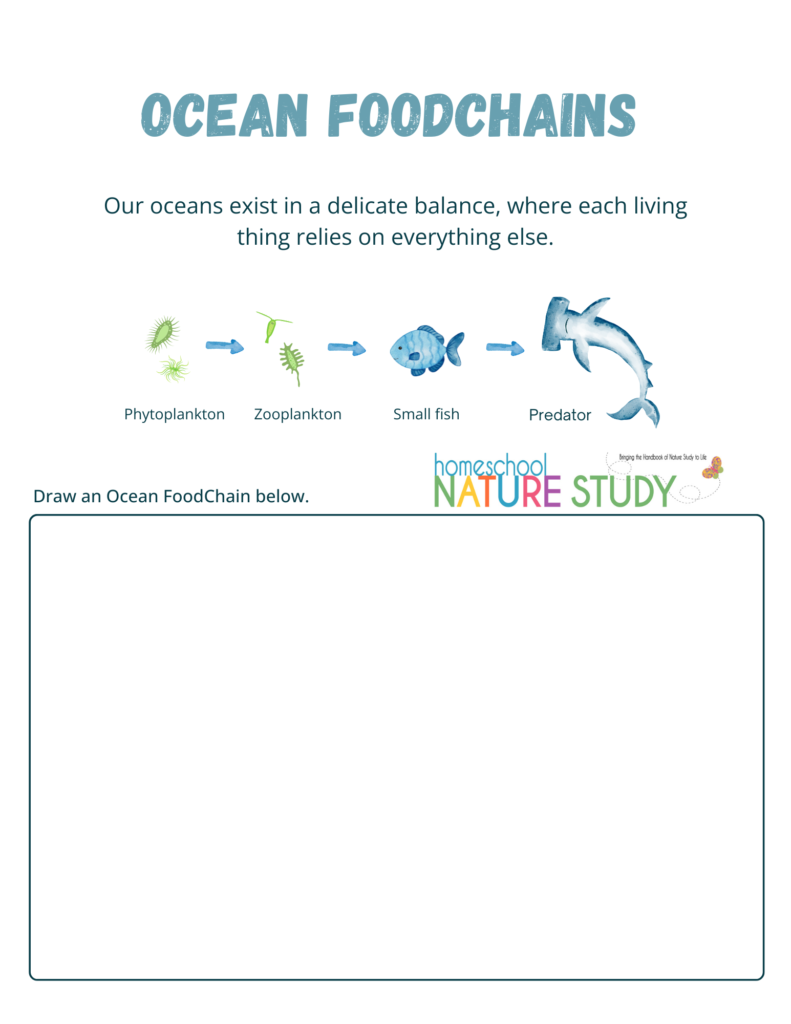
Members can head over to their dashboard to print the SeaShells Coloring Page, Ocean Animals Matching Page, and older students can use the Ocean FoodChain Worksheet.

Ocean and Shell Nature Craft Activities

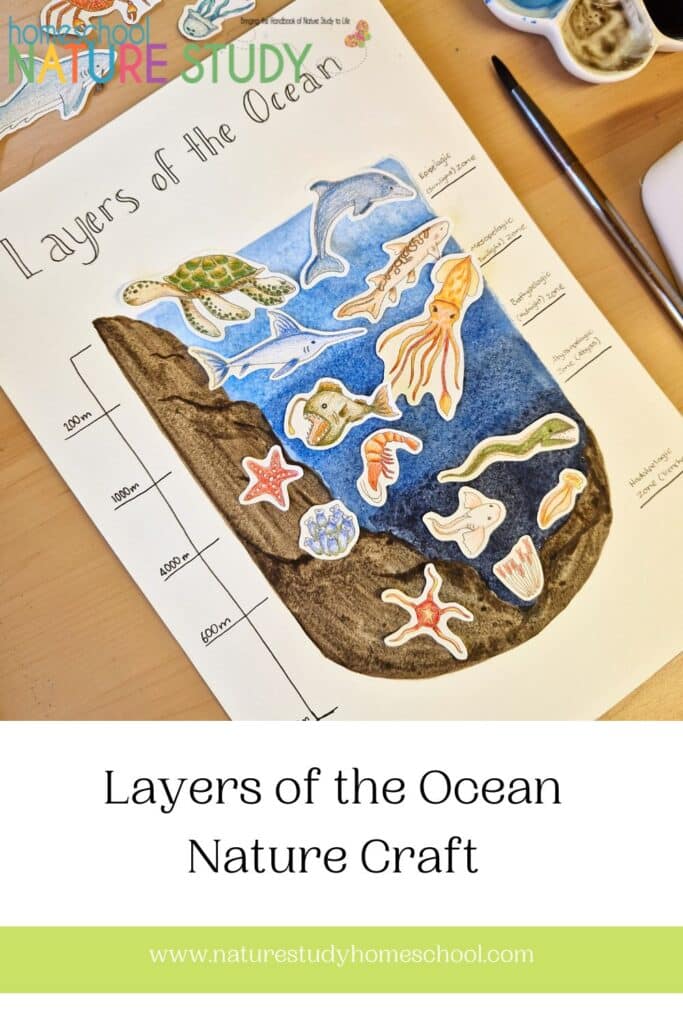
We are loving this cute Ocean Nature Craft. A great craft when learning about the Ocean Biome.

Ocean Biome Nature Craft

Seashell Nature Craft

Hot, summer weather means the bugs are all out busy pollinating, so let’s create some seashell watering stands to help cool them down. This craft only needs a few supplies and a little supervision for the little ones but overall it is an unbelievably simple craft to make. So head down to the beach and hunt for mussels and other pretty shells and let’s get crafting!

Perfect to go with the Seashells Coloring Page! Members, log in and head to your Nature Crafts course!

Create some seashell nature crafts with watering stands! This craft only needs a few supplies and a little supervision for the little ones but overall it is an unbelievably simple craft to make. So head down to the beach and hunt for mussels and other pretty shells and let’s get crafting!

Homeschool Nature Study Membership

It’s a great time to join Homeschool Nature Study! We offer a multitude of science activities, hands-on learning ideas, seasonal nature studies, crafts, free resources for all ages – join the #outdoorhourchallenge community and enhance your homeschool science lessons!

Stef Layton Bio

Stef started homeschooling her boys in 2008. She quickly adopted a hands-on learning homeschool style and graduated her oldest tactile learner in 2021. Stef started the Hands-On Learning column in Homeschooling Today magazine. The Laytons currently reside in the foothills of Colorado where Stef also teaches yoga. The family loves to hike trails, stand-up paddle board, and chase sunsets. Stef shares travel and homeschool tips on IG at @LaytonAdventures.

Posted on — 1 Comment

Nature Study And High School Science: A Complete Guide

It is often the case that once our homeschooled children reach their teens, nature study is pushed aside. Perhaps we think that because our children are now in high school, learning should be more textbook based. But the opposite is true!

This article has quotes from the Royal Geographical Society on the importance of field work in higher learning – that goes way above high school learning!

In fact, there are academic journals and papers written about the importance of learning in the field. You can see for yourself right here.

Highs School Science Doesn’t Have To Be All Textbooks

If hands-on, experiential learning is no longer appropriate for our teens, then why are there lab work classes in high school?

Why do natural scientists and great wildlife film makers, and academic researches still head out into the field to observe nature?

Why do environmental and marine scientists still gather specimens, conduct experiments or spend months at a time out in nature studying the behaviour of all manner of animals?

The problem is not the continuation of nature studies in your homeschool. The problem is the manner in which it is presented.

Learning directly from nature and the environment is a primary source of learning. It’s observational, it’s experiential, it’s how esteemed naturalists and scientists still discover and learn.

Are you convinced yet?

The good news for you, for your children, and your homeschools is that:

On the contrary, please continue to spend this precious time learning outdoors because it is valuable and it is deemed necessary by many learned academics and naturalists.

Nature study in high school is one of the most perfect ‘labs’ available for experiencing and understanding high school science concepts so I urge to to dive deeper into your nature studies rather than dropping them out of your homeschools.

Studies Show Hands-on, Experiential Learning is More Effective

Many years ago, J. Dewey (1938) recognised the close connection between learning and experience. The question of how to efficiently bridge the gap is still occupying the attention of educational psychologists and researchers. (Kolb, 1984: Experiential Learning: Experience as the source of learning an development; Reigeluth & Carr-Chellman, 2009: Instructional-design theories and models: Building a common knowledge base – vol iii; and J.Roberts, 2018: The possibilities and limitations of experiential learning research in higher education).

I am currently finishing off my Masters degree in Pro Bono legal work – and it is entirely examined on reflections of hands-on legal work undertaken in law clinics.

Lawyers, medical professionals and many others have the textbooks but they also spend a great portion of their education getting hands-on experience and putting their head knowledge into practice. They move from the abstract to the concrete by actually DOING.

If educational psychologists and researchers recognise the value and spend hundreds of thousands of hours researching the importance of experiential learning – we really have every reason to keep up our hands-on nature studies throughout the high school years in our homeschools don’t you think?

Incorporating Nature Study Into High School Science

Okay, so we have now established that we have every reason (backed by those far more cerebral people) to continue our nature studies in our homeschools as we move into the high school years.

But HOW do we go from our carefree romps in nature to being a bit more purposful about it all?

Teenagers need to have a different sort of follow-up to their nature observations, something a bit more than just their nature journals – although don’t give this up!

They need to be more connected to their nature study by finding patterns and relationships between past experiences and new ones. Take what they already know and build on it with new observations so as to develop a real interest in knowing more.

Key: Teens need to find the answers to their own questions and then express those answers in a way that makes sense to them.

There are three steps to nature study success with teens. You should aim for these in your nature studies

  1. Observation – encourage them to really see what they are looking at with direct and accurate observation.
  2. Reasoning – understand why the thing is so and what it means.
  3. Expression – their observations and reasonings should pique an interest in knowing more about the object.

Here is a real-life illustration of nature study with teens from Barb, the founder of Outdoor Hour Challenges:

My two boys and I regularly made visits to my dad’s pond together.  When younger, they would go right to the business of scooping up water and critters and talking in excited voices about what they were finding. But once they reached the teen years, I noticed a different atmosphere, an attitude of “we’ve been here and done that”. I tried to remind myself that this was their normal teenage reaction to just about everything. They rarely appeared to be too excited on the outside. More often than not, they would later on relate the whole experience in a more favorable light to their dad or one of their siblings. Apparently, the outside of a teenager doesn’t accurately reflect the inside at all times.

So if you have older children and they appear to not be interested at first, don’t give up. It may be that they just aren’t showing it outwardly but inside the experiences are deeply affecting them. Don’t give up on the habit of nature study with your teens.

Barb McCoy – Founder of the Outdoor Hour Challenge

Enhancing a Nature Walk with Teens

Digital Photography: A love of the natural world does not come automatically for all children and sometimes we need to find a way to hook them into getting outdoors. Most of our children have a lot of screen time each week. Rarely are they without a device that has a camera function. Take advantage of this tool in enhancing your time outdoors!

Although there are advantages to taking a walk “unplugged”, there are distinct benefits to allowing your teens to take photos as part of their nature study time.

  • It slows them down.
  • Helps them focus and really see an object.
  • Everyday things in their own backyard can now be captured and viewed.
  • They can see the beauty.
  • They make their own connections.
  • Perfect for our teens…they are comfortable with the technology and love to share with their friends.

Nature Study and Studying Biology

Tricia, owner and editor of Homeschool Nature Study has given us a wonderful example of how her family’s Apologia biology studies complimented their homeschool nature studies.

Her family’s experience beautifully illustrates, in a very practical way, how you could approach high school biology in your homeschool. She has shared a full account in both these posts:

But to briefly summarize, you could take one of two approaches to homeschool nature study with high school biology. I must just say at this point that this same approach can be used with any of the Apologia science textbooks – or whatever textbook you use in your homeschool.

  1. You can choose to start with the Homeschool Nature Study challenges and supplement them with a text; or
  2. You can start with the text and supplement it with nature study.

Go over to Tricia’s post How Nature Study Enriches High School Biology In Your Homeschool. You will see that she has matched up the Outdoor Hour Challenges with the textbooks chapters.

Not only that but she has added in supplementary books and biographies for you to use!

If you are using Apologia Biology in your homeschool this year, you now have a wonderful lesson plan for the entire course which includes the nature study challenges that you have loved and used in your homeschools!

More Resources for Nature Study In Your Homeschool

We are fortunate here at Homeschool Nature Study to have homeschool moms who have successfully traveled the high school homeschool road through all subjects including science and nature. All of these families have continued to use nature study and field work as a useful tool alongside their textbooks in their homeschools.

We have collated some high school specific nature and science posts and resources from the archives of all out websites (Curriculum Choice, Homeschool Nature Study and Your Best Homeschool). We pray that these will be a blessing to you and an encouragment to keep up your nature studies in the changing face of your homeschools.

Charlotte Mason Exam Questions for homeschooling high school - Wondering how your high school homeschooler can continue nature study in a way that is compatible with high school science?

From the Archives

Apolgia Biology Curriculum Reviews

The Big Question:


We pray that this article gives those of you who are moving into your high school years the courage to stick with nature studies in your homeschool and to continue to experience the joy and blessing of hands-on, experiential learning.

Handbook of Nature Study high school studies

The Outdoor Hour Challenges Bring The Handbook of Nature Study to Life in Your Homeschool!

For even more homeschool nature study ideas for all seasons, join us in Homeschool Nature Study membership! You’ll receive new ideas each and every week that require little or no prep – all bringing the Handbook of Nature Study to life in your homeschool!

Be inspired. Be encouraged. Get outdoors!

Posted on — 6 Comments

Living Science Beyond the Books

Every parent hopes their child receives a solid science education. This is the case whether our children are homeschooled or attending a traditional school. Many parents, including myself, know we received very little “real” science education growing up and when it comes time to teaching or supporting science learning in our children, we tend to feel slightly inadequate. This doesn’t need to be the case!

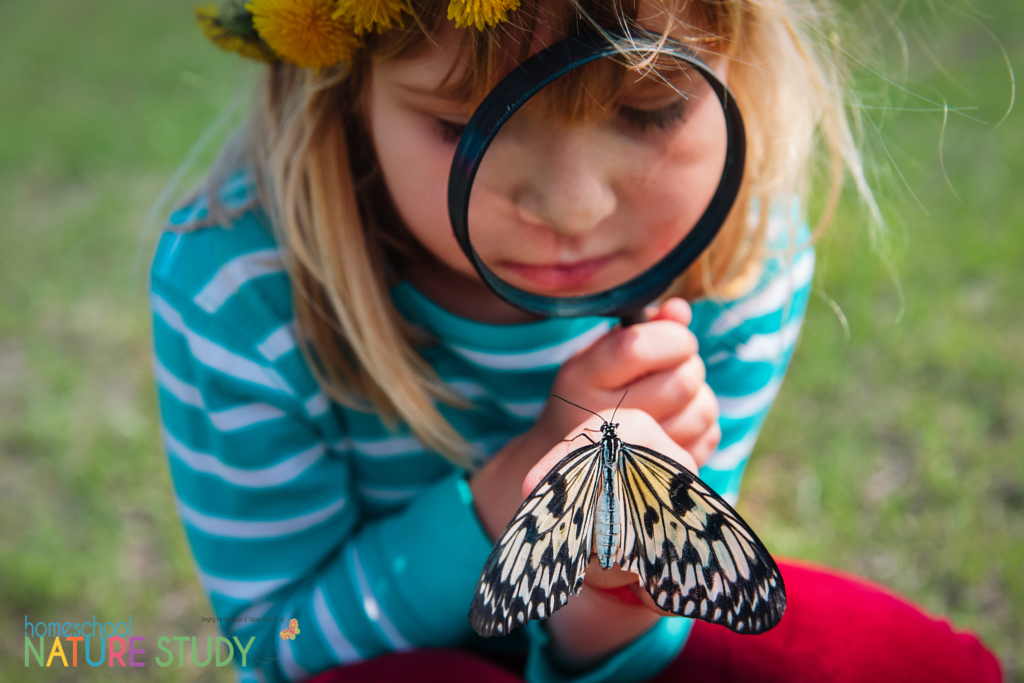
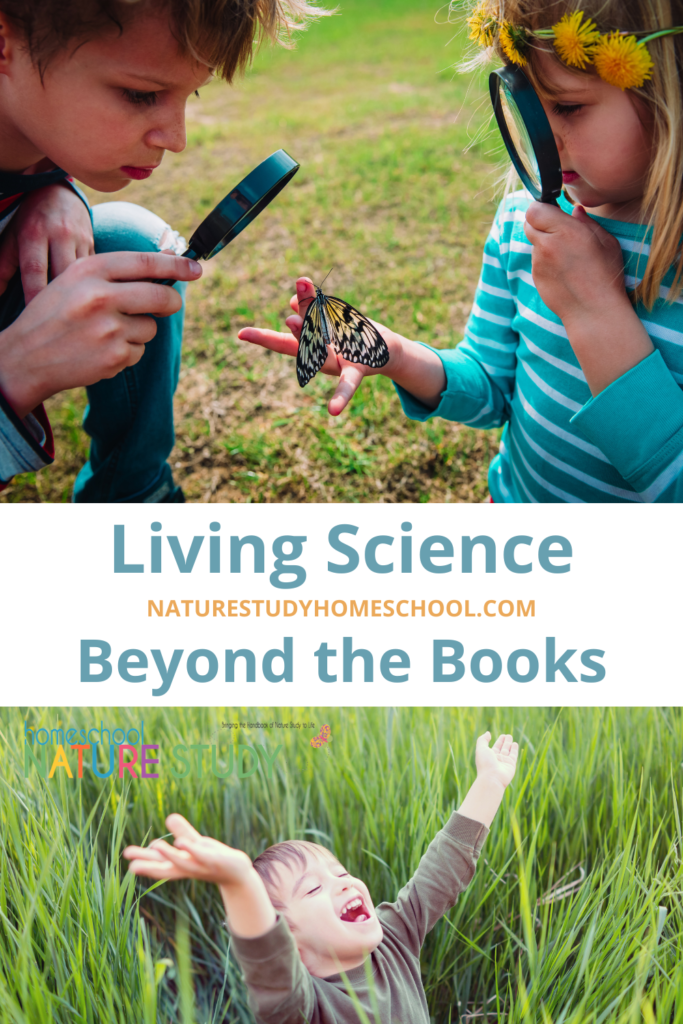
Homeschool moms do not have to fear teaching science class! Try a Living Science Beyond the Books approach to enjoy hands-on learning.

Jeannie Fulbright, Apologia Science Writer, inspired me to think about a living science beyond the books type of education and hands-on experience. To stop putting a time slot on the schedule for “science learning” and to start exploring the world with curiosity. To invite opportunities of discovery regardless of where we are or when it is during the day.

Homeschool moms do not have to fear teaching science class! Try a Living Science Beyond the Books approach to enjoy hands-on learning.

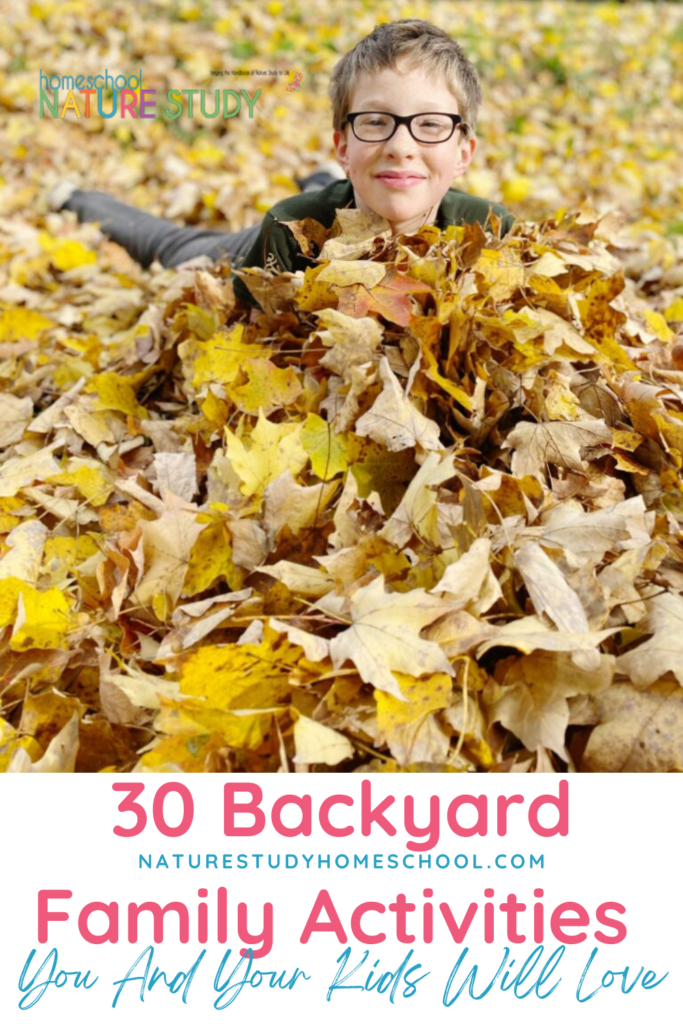
For our family, providing the opportunities for science as part of our every day life has been as easy as opening our back door and doing some exploring together.  Books are a wonderful window to the world but true heartfelt science learning takes place when you learn about things you can see, touch, smell, and hear. You might enjoy some tips from our post: 30 Backyard Family Activities.

Living Science Beyond the Books

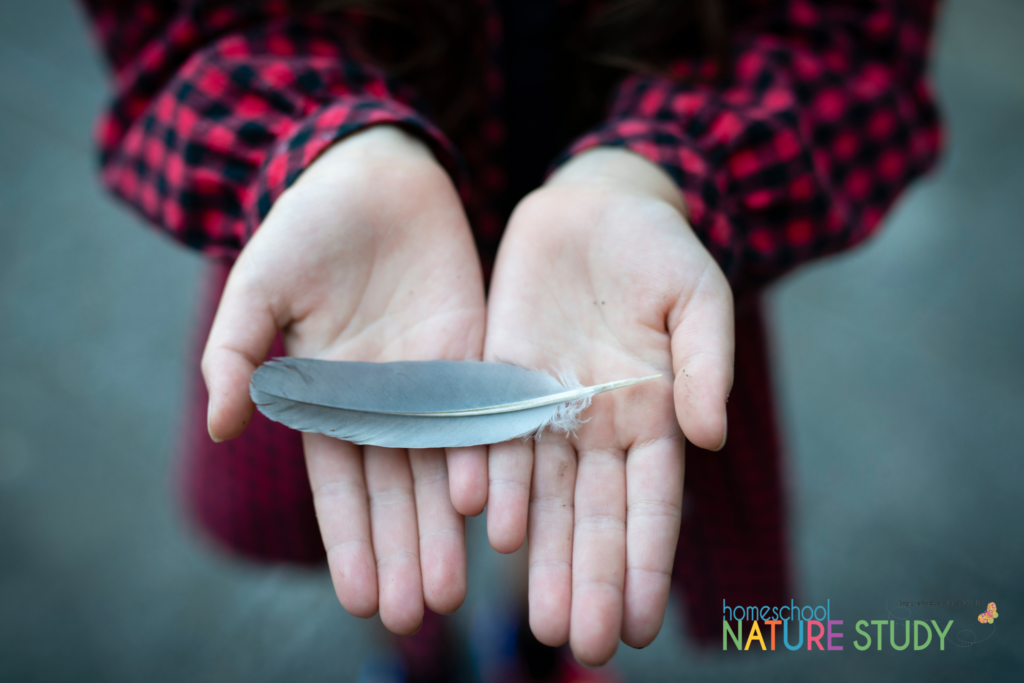
Birds in a book are great but birds in your very own feeder are a living and breathing example to learn from. We have found what works best is observation first and then facts. For example, we learned more by trying to identify these feathers…using a feather identification key for the first time, reasoning on which birds we see in our backyard, and then narrowing it down to a few bird choices. We had to learn the different kinds of bird feathers and make careful observations about color and pattern. So much to build on from just this simple feather find from our backyard.


Homeschool Nature Study Members can print this Feather Coloring Page to try and replicate feather patterns. Or find more Bird Activities and Learn About Birds for Preschoolers.

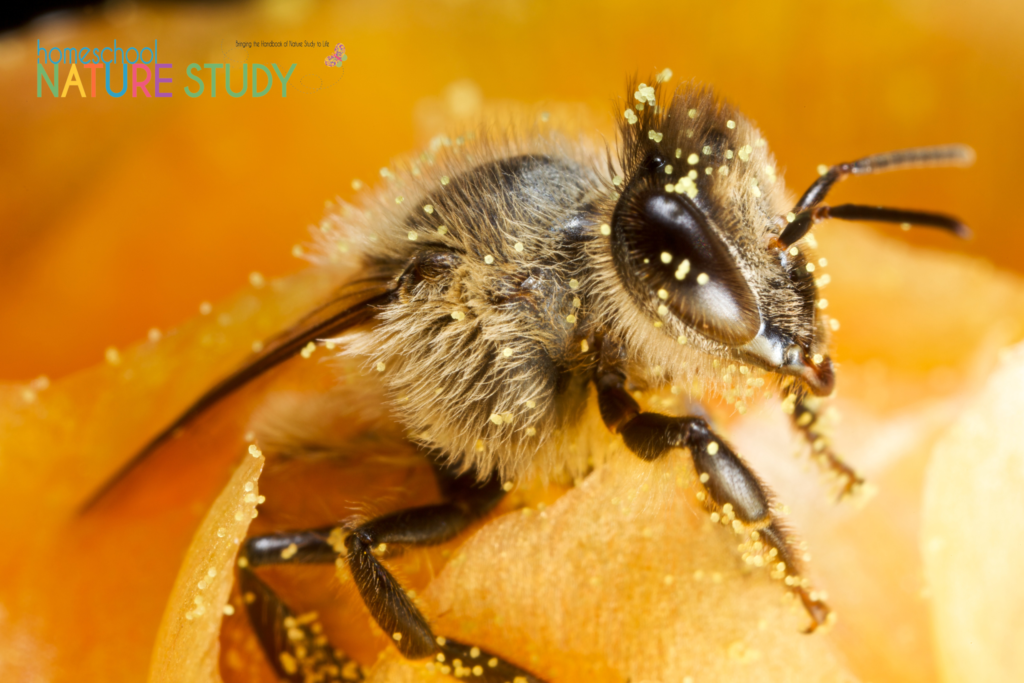
Learning about pollen in a book is interesting but seeing it on a flower, watching a bee covered in it, and then perhaps looking at the flower pollen with a hand lens takes the lesson on pollen to a whole new dimension. Suddenly you care about the pollen…it means something. My son noticed the little yellow specks on flowers in our yard, so we brought them inside for closer inspection…pollen! No wonder the bees are swarming around this plant in our yard!

Fearful of Nature?

Homeschool moms do not have to fear teaching science class! Try a Living Science Beyond the Books approach to enjoy hands-on learning.

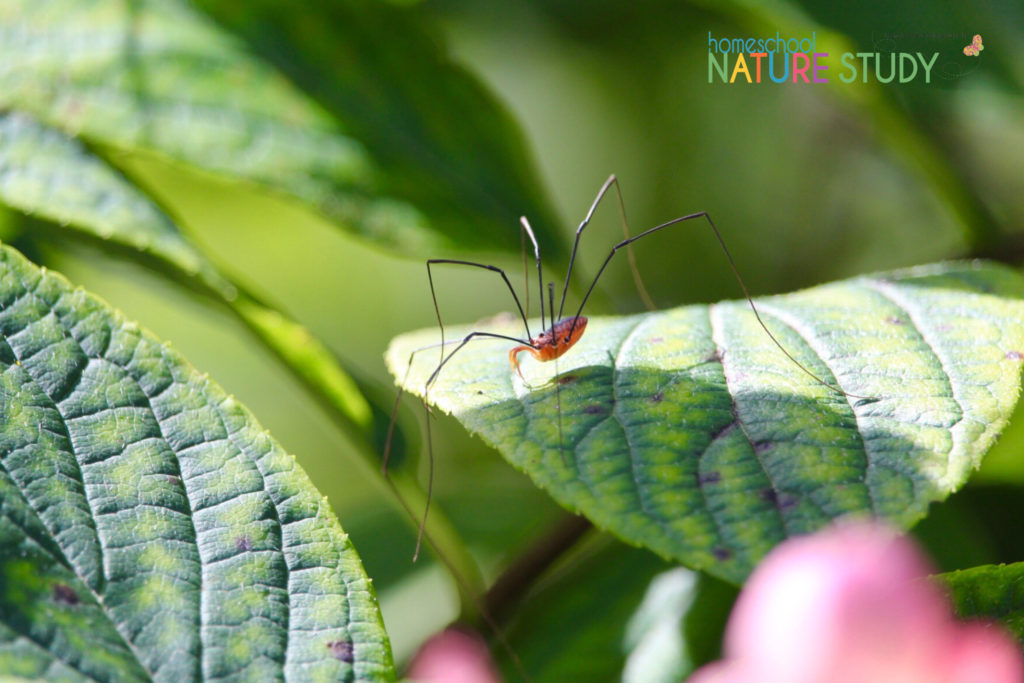
My youngest son hates spiders. He found a spider on a leaf and we spent some time watching it together. Direct observation of a spider takes the fear away and allows the awe to settle in for such an amazing living creature. Living science beyond the books is the best kind of learning for science. Books are there to support and generate interest! But remember to get outside to observe it.

“Nature study, as far as it goes, is just as large as is science for “grown-ups”. It may deal with the same subject matter and should be characterized by the same accuracy. It simply does not go so far.”
Anna Botsford Comstock, Handbook of Nature Study

She supports the idea that beginning with nature study and observation we can build on those ideas and experiences and go farther with more formal science. For a complete picture of how she outlines nature study for families, read the introductory pages of the Handbook of Nature Study (pages 1-24).

“Adults should realize that the most valuable thing children can learn is what they discover themselves about the world they live in. Once they experience first-hand the wonder of nature, they will want to make nature observation a life-long habit. All people are supposed to be observers of nature and there’s no excuse for living in a world so full of amazing plants and animals and not be interested in them.”
Charlotte Mason, Volume 1

So, I think we are in good company. We can provide or support science education in our homes if we remember to take advantage of opportunities that present themselves. Open eyes, open hearts, and then open minds to enjoy living science.

Homeschool Nature Study Membership

Join us for even more homeschool nature studies for all the seasons! With a nature study each week, you will have joyful learning leading all the way through the homeschool year for all your ages!

Not yet a Homeschool Nature Study Member? We’d love for you to join us and take advantage of the numerous studies – already planned out for you, craft ideas, free worksheets, and #outdoorhourchallenge fun! Become a member and bring the love of learning nature and science easily into your home.

Be inspired. Be encouraged. Get outdoors!

Written by Barb McCoy. Updated and new resources created by Stef Layton.

Posted on

The Importance Of Studying Natural History

Why is the study of natural history so important? How can you incorporate it into your day to day learning?

Why is the study of natural history is so important? How can you incorporate it into your day to day learning.

photo by Amy Law

Is Natural History Important?

Every now and then I come across an article online that captures my interest. As I read the article linked below I realized how important what we are doing here on the Handbook of Nature Study is to our young children and families. Much to my great surprise, I found a section in the later part of the article that references Anna Botsford Comstock and her work with natural history and teaching.

Science And Natural History

I invite you to click over and read through this article…noting that as parents we can fill the gap and stoke the fires of a more traditional biology course. Adding in some natural history to your more academic and microbiology studies will give it more depth and context. Find a way to expose your young biology students to the natural world in an attempt to cover the material in high school (and earlier!) since they will not get that opportunity once they go onto college.

Read Natural History is Dying

Natural History Important @handbookofnaturestudy

An Overview Of Natural History Is Dying

Some of my notes and quotes from the article:

Natural history by and large is no longer taught to biology majors, much less high school students.

“Further, exposure of students at all levels to natural history is diminishing. As we saw in the graph at the top of this post, all colleges and universities surveyed in the 1950s required at least some natural history courses for a biology degree – a median of 2.25. Today, most colleges have no natural history requirements for a biology degree, and the slim section devoted to natural history in the center of most textbooks has shrunk 40 percent and is usually skipped anyway, as I’m sure those of you with biology degrees earned in the last 20 years can attest.”

Using the suggestions from the Handbook of Nature Study and the Outdoor Hour Challenge provides help to parents in offering what is lacking in today’s science courses.

“Comstock’s book stressed the importance of kid-on-critter time. But increasingly, in the classrooms and museum exhibits that I’ve seen or visited, still images or interactive games are considered adequate substitutes. They are not.”

We can share our love for nature and make a difference in our child’s outlook towards the natural world.

“When kids do not grow up around natural history, they become adults who are not only ignorant of natural history, but who do not care about nature and view it as disposable and unimportant. “Ecological ignorance breeds indifference,” as Pyle put it. “What we know, we may choose to care for. What we fail to recognize, we certainly won’t.”

We can make those simple but powerful memories happen for our children.

“To love Earth, you have to fall in love with Earth. And that can’t happen indoors, eyes glued to a screen. You have to watch the bee gathering nectar from the blue bonnet; you have to smell and touch the sap (and discover it is now impossible to remove from your fingers) weeping from the tree; you have to smell the citrussy cinnamonny gym-socky aroma of the matsutake fresh from the pine duff.”

Use the resources here on our website and in the Handbook of Nature Study by Anna Botsford Comstock to introduce your child to the birds, plants, reptiles, insects, and other forms of life around them. Take it one subject at a time and make sure to get outside each week!

Why is the study of natural history is so important? How can you incorporate it into your day to day learning in your homeschool?

The Outdoor Hour Challenges Bring The Handbook of Nature Study to Life in Your Homeschool!

For even more homeschool nature study ideas for all seasons, join us in Homeschool Nature Study membership! You’ll receive new ideas each and every week that require little or no prep – all bringing the Handbook of Nature Study to life in your homeschool!

Written by Barb and updated by Tricia

Posted on — Leave a comment

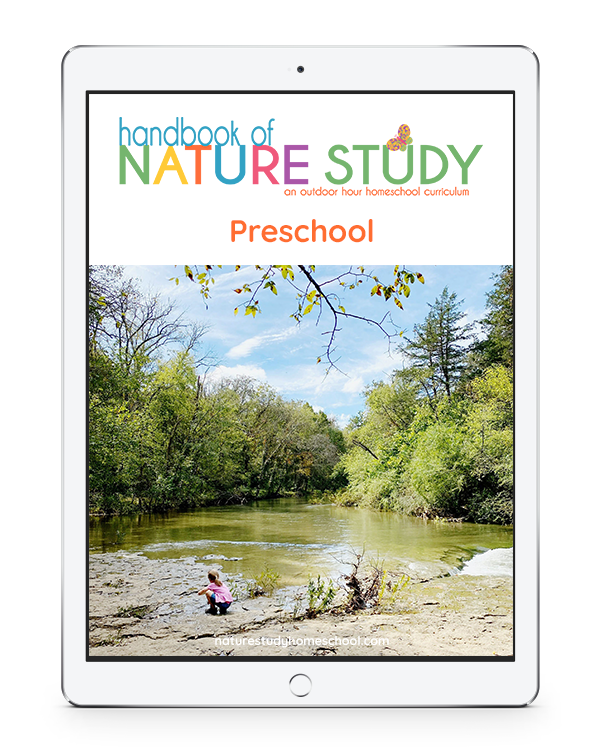
Delightful Preschool Nature Study Plans for Your Homeschool

Enjoy relaxed preschool nature study plans for your homeschool with nature table suggestions, simple nature study activities, field trip ideas, images to print, coloring pages, and so much more. What a privilege to introduce children to the glorious world God created!

Have children eager to be outside? You can think of the earliest years outdoors with your children as the way to grow a love and curiosity about the natural world. This habit develops gradually over their childhood. The earlier you start building a habit of nature study in your family, the easier it will be to encourage children to be engaged in nature study.

Don’t miss the free sample of preschool curriculum, below!

Delightful Preschool Nature Study Plans for Your Homeschool

Delightful Preschool Nature Study Plans for Your Homeschool

Preschool nature ideas for each month of the year include:

  • an animal, bird, flower and tree of the month – that is four nature studies each month!
  • nature table suggestions and items for free play
  • image cards
  • monthly activities
  • library books suggestions
  • casual monthly nature study
  • preschool hands on activities for active learning: singing drawing, tasting

“..the mother must not miss this opportunity of being outdoors to train the children to have seeing eyes, hearing ears and seeds of truth deposited into their minds to grow and blossom on their own in the secret chambers of their imaginations.”

Charlotte Mason, Volume 1, page 45

These Outdoor Nature Study Plans Can Be Used Family Style

Most of these nature study plans point to existing Outdoor Hour Challenges in our membership. The new Preschool course includes nature studies plus the plans refer to spring, summer, autumn and winter topics.

These are studies the whole family can explore! So these preschool plans are a great place for the whole family to start with.

48 Outdoor Hour Challenges!

But what if there is a rainy day and you can’t get outdoors? The activities in our Preschool Nature Study Plans will give you new ideas for fun learning.

Sample a Month of Nature Study Plans For Preschool

Try a free sample of the preschool nature study plans included in Homeschool Nature Study Membership. This sample includes a month of nature study plans! Get your copy in the form, below:

Get Your Preschool Nature Study Curriculum Sample!

Subscribe to get your free Preschool Nature Study Curriculum Sample for Homeschool.

    We won’t send you spam. Unsubscribe at any time.

    Preschool Nature Study Curriculum Included in Homeschool Nature Study Membership

    Our Preschool Nature Study Curriculum is the newest addition to the Homeschool Nature Study membership. There are even more resources coming to members in the coming months!

    There are 25+ continuing courses with matching Outdoor Hour curriculum that will bring the Handbook of Nature Study to life in your homeschool! In addition, there is an interactive monthly calendar with daily nature study prompt – all at your fingertips!

    Join us for even more homeschool nature studies for all the seasons! With a new nature study each week, you will have joyful learning leading all the way through the homeschool year for all your ages!

    You might also like:

    This Nature Study curriculum written by founder, Barbara McCoy. Additional resources by Tricia. Tricia and her family fell in love with the Handbook of Nature Study and the accompanying Outdoor Hour Challenges early in their homeschooling. The simplicity and ease of the weekly outdoor hour challenges brought joy to their homeschool and opened their eyes to the world right out their own back door! She shares the art and heart of homeschooling at You ARE an ARTiST and Your Best Homeschool plus her favorite curricula at The Curriculum Choice.

    Posted on — Leave a comment

    The Ultimate Guide To Fall Homeschool Nature Study In Your Own Backyard

    The benefits of autumn or fall homeschool nature study in your own backyard are endless! These simple resources get you started making memories together.
    Photos by Amy Law

    When the calendar flips to September you might be ready for an autumn or fall homeschool nature study in your own backyard. How about your part of the world? Are you feeling like autumn or is it lingering summer? Whatever your world looks like you can take a fall walk and discover some fall color…maybe not your leaves but look for berries, nuts, and weeds that are changing color.

    autumn nature study with light coming through the treees

    The Benefits of Nature Study in the Fall

    The benefits of fall nature study seem to be endless! The most important of all is making memories together as a family. The crisp, cooler air and the brilliant blue sky (on sunny days) highlight all of the fall leaf color for us. Being outside does wonders for moods. And having an outdoor ‘laboratory’ for discovery is as simple as swinging open your backdoor.

    The fall Outdoor Hour Challenges are among our very favorites. My children and I have wonderful memories of looking for not only different leaf color but leaf shapes. With the cooler weather, we tend to take nature walks even more.

    Plus, a fall homeschool nature study gives an opportunity for all ages to learn as little or as much as they would like to.

    Fall Nature Study Lesson Plans

    We have Outdoor Hour Challenge Homeschool Nature Study Curriculum filled with weeks of fall nature study plans! You can also take a look at this sampling of the resources we have for you to enjoy simple, fall homeschool nature study in your own backyard.

    • Seasonal Tree Observations Outdoor Hour Challenge
    • Fall Color Walk with Printable Color Cards in membership (great for your youngest adventurers)
    • How to Make Leaf Rubbings (video)
    • Tips for Drawing Leaves
    • Learn Why Leaves Change Color
    • Advanced studies on the chemistry of leaves
    • Plus apples, pumpkins, bats, turkeys and more!

    The benefits of autumn or fall homeschool nature study in your own backyard are endless! These simple resources get you started making memories together.

    Fall Notebooking Pages For Your Homeschool

    There are so many easy printable pages in Homeschool Nature Study membership for quick and fun nature walks!

    • Access to a Fall Leaf Nature Study Grid for printing (you can place in your journal and ‘check off’ scavenger hunt style. Includes a bookmark for coloring in the colors of the fall leaves near you)
    • Autumn nature study journal pages for each Outdoor Hour Challenge
    • Autumn coloring pages
    • Under the Fallen Leaves notebooking page
    • Autumn Changes in Your Own Backyard
    • Learning About Leaves – with journal page
    • Autumn Weather Tracking chart printable
    • Signs of Autumn Notebook Page
    • Printable Fall Series Field Notebook

    And SO much more! (with more topics coming!)

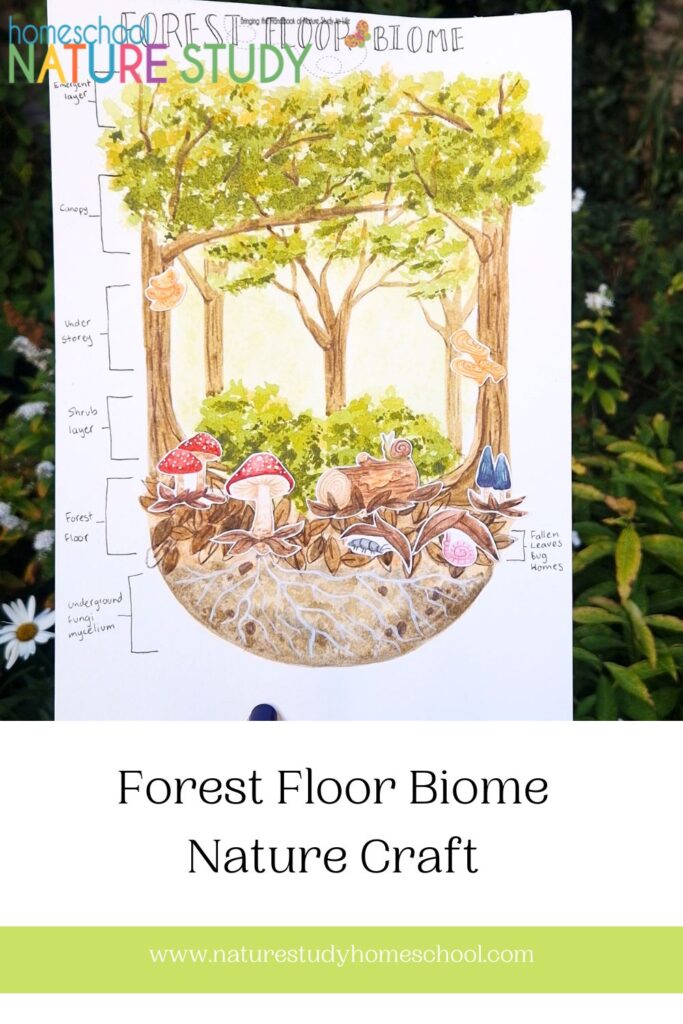
    Autumn is on the horizon with the yellowing of leaves signalling chilly weather to come, so lets create this forest floor biome to celebrate. In this tutorial I will show you how to layer watercolours to create depth as well as texture using a stippling technique. So grab your paints, download the free printable I have created and let's get crafting!

    Fall Forest Biome Nature Craft Activity

    Our resident illustrator, Victoria Vels, shares, “Autumn is on the horizon with the yellowing of leaves signalling chilly weather to come, so lets create this forest floor biome to celebrate. In this tutorial I will show you how to layer watercolours to create depth as well as texture using a stippling technique. So grab your paints, download the free printable I have created and let’s get crafting!”

    Autumn is in full swing with rusty leaves and seeds galore, so let us bring in some of the season’s beauty with this Autumn garland.

    Fall Garland Craft Activity

    Autumn is in full swing with rusty leaves and seeds galore, so let us bring in some of the season’s beauty with this Autumn garland.

    Members enjoy this craft in the Nature Crafts course!

    More Homeschool Nature Study for Your Fall Learning

    Join Us For Fall Homeschool Nature Study

    We’ve heard from families that they were reluctant to start a nature study plan, stating that they thought it would restrict their freedom to focus on one topic. But, they found that having a focus each week actually helped them to stay regular at getting outside and it helped them be better at taking a few minutes to learn about an object they encountered, even if it wasn’t the original aim for getting outdoors.

    We make it easy with resources you can use at your own pace and on your own schedule. Or, you may choose to follow our annual nature study plans closely and have everything at your fingertips.

    Be inspired. Be encouraged. Get outdoors!

    The benefits of autumn or fall homeschool nature study in your own backyard are endless! These simple resources get you started making memories together.

    Tricia and her family fell in love with the Handbook of Nature Study and the accompanying Outdoor Hour Challenges early in their homeschooling. The simplicity and ease of the weekly outdoor hour challenges brought joy to their homeschool and opened their eyes to the world right out their own back door! She shares the art and heart of homeschooling at You ARE an ARTiST and Your Best Homeschool plus her favorite curricula at The Curriculum Choice.

    Posted on — 3 Comments

    The Outdoor Mom Series – New Feature for Homeschool Moms

    This month we start a new Outdoor Mom series focused on the Outdoor Hour Mom. Yes, this is all about you! As homeschool moms we give…A LOT, which is why it is so important that we carve out a little time to nurture our own well-being.

    This month we start a new Outdoor Mom series focused on the Outdoor Hour Mom. Yes, this is all about you! As homeschool moms we give…A LOT, which is why it is so important that we carve out a little time to nurture our own well-being.

    This does not have to be finding swathes of time to do something extravagant. Most of us don’t have that time.

    But it is important to develop a heart for the simple joys that come from the most ordinary of tasks and the most fleeting of moments. For it is these things that help us create moments of calm throughout our day and it is in these unhurried moments that we can see and hear the voice of our Saviour and experience His peace.

    Our vision for the Outdoor Mom series is to inspire you to slow down, find beauty in the ordinary, in celebrating your home, in ordinary everyday tasks; your hobbies, interests and of course, nature journaling, nature and the seasons.
    This is Shirley Vels in her garden!

    What Is The Outdoor Mom Series?

    Our vision for the Outdoor Mom series is to inspire you to slow down, find beauty in the ordinary, in celebrating your home, in ordinary everyday tasks; your hobbies, interests and of course, nature journaling, nature and the seasons.

    Join Homeschool Nature Study membership to enjoy the NEW Outdoor Mom series – with nature journal prompts – by your Outdoor Hour hostess, Shirley Vels.

    Nature Study Members: Find the NEW Outdoor Mom posts in the Outdoor Mom course.

    https://www.instagram.com/p/Cgq2EVjI7gm

    We Invite You To Participate!

    Not a member? We invite you to us!

    You can also participate with the prompts below:

    How Do You Join?

    Answer all or just one of the prompts in a post on Instagram – and tag us at @outdoorhourchallenge! You can also answer in a blog entry on your own blog or right here on our blog in a comment. If you answer on your blog, make sure to leave me a link in a comment so that I can pop over and read your responses.

    • During our outdoor time this week we went….
    • The most inspiring thing we experienced was…
    • Our outdoor time made us ask (or wonder about)…
    • In the garden, we are planning/planting/harvesting….
    • I added nature journal pages about….
    • I am reading…
    • I am  dreaming about…
    • A photo I would like to share…

    Whether your family spends a few minutes a week outside or hours at a time, share what is going on in your world.

    Outdoor Mom’s Journal

    Here is an entry by Barbara McCoy!

    The most inspiring thing we experienced was.….traveling to two national parks, Zion and Grand Canyon! My husband and I spent three days at each park and put a lot of miles on the old pedometer as we hiked and hiked and hiked.

    zion national park nature journal

    I added nature journal pages about.….both Zion and Grand Canyon. I created “twin” sorts of entries for each park. I am in the process of finishing off my pages but here is a sneak peek.

    Please join us! Share something that you have done lately. We are looking forward to reading your entries and comments!

    Be inspired. Be encouraged. Get outdoors!

    Shirley and her family have used the Handbook of Nature Study and Barb’s Outdoor Hour Challenges from the beginning of their homeschooling. Having begun their homeschool journey in Cape Town South Africa and finished it in the UK, the challenges and the Handbook of Nature Study have proved to be adaptable and relevant across continents. Shirley lives in Chester, England and blogs at Building A Household of Faith where she writes about homeschooling the Charlotte Mason way, nature study and encouraging homeschooling moms in their great charter as Christian wives, mothers and keepers of the home. She also hand-dyes yarn in her home studio Under An English Sky, which is inspired by the English countryside and of the great living books she and her family enjoyed over their homeschooling journey.

    Posted on — 2 Comments

    Creating a Nature Journal Supply Kit for Your Homeschool

    Here are some tips for creating a nature journal supply kit for your homeschool. It is simple, inexpensive and is easy to do!

    Creating a nature journal with your children is an experience you all can enjoy. I always told my children (and myself) that there’s really no right or wrong way to create a page, except if you never gave it a try. Over the years, I had to create a routine for nature journaling or we would procrastinate or forget it altogether.

    One way to give us a better chance of creating a nature journal was to take our journal and our supplies along on our nature walk so we could create a page right at the moment. But, this meant I needed to be a little prepared before we left the house.

    So, we created a nature journal supply kit.

    Nature Journal supplies basic. Here are some tips for creating a nature journal supply kit for your homeschool. It is simple, inexpensive and is easy to do!

    Creating a Nature Journal Supply Kit for Your Homeschool

    What did we take along with us?

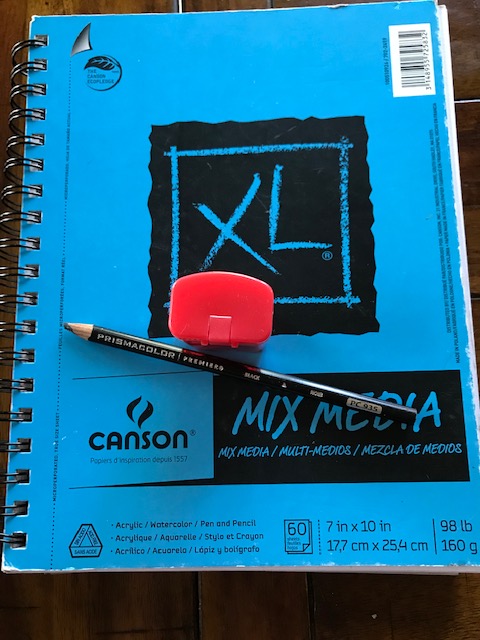
    When the children were younger they exclusively used spiral bound journals because they were easier to take along with us when we did our sketching. We used No. 2 pencils and colored pencils pretty much for all the entries.

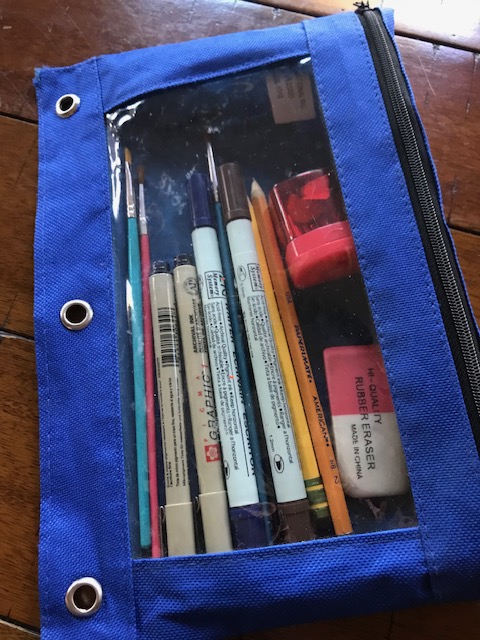
    Nature Journal supplies pouch with pens pencils

    For variety and as they grew older, we started to use colored pencils and thin markers to create our nature entries. Watercolors often gave a wonderful result but they required a bit more effort because you needed to bring along a water source, the brushes, and a paper towel or cloth in addition to the journal.

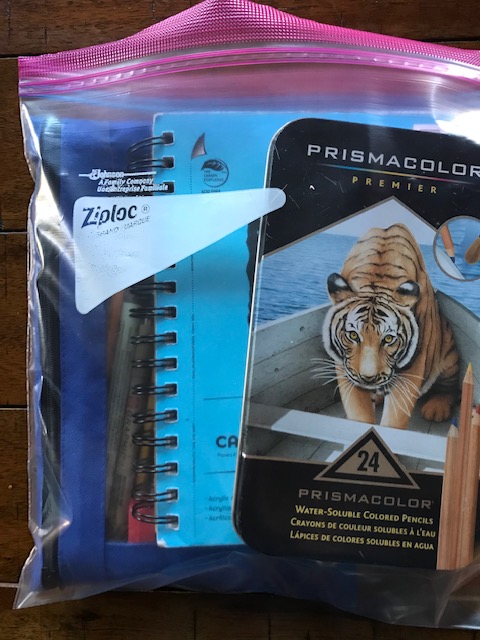
    Nature Journal Kit in ziploc

    I found that keeping our supplies all together in one spot and storing them in an easy to find place, made it more likely that we would actually complete a page while we were taking our Outdoor Hour.

    I suggest you find a container like a plastic crate, a tote bag, or a backpack to use as a storage container for your journal supplies. It doesn’t need to be anything fancy. Don’t use anything too large or too heavy or you won’t want to lug it around on your nature walks.

    Nature Journal supplies watercolors

    I have a plastic container that I purchased at the Dollar Tree store many years ago that has held up nicely, but I’m sure you have something sitting around your house that you could start off using for now.

    Gather your supplies and remember to keep it simple. A few No. 2 pencils with erasers, a small set of colored pencils, a small set of watercolors and a brush, some tape, a pair of scissors, a water container, and a pencil sharpener can form the foundation of your supply kit.

    Over time, your family will find favorite supplies to have when journaling on the road. The most important part of journaling is to have experiences to document on the journal pages. Start there. Create the opportunity for a good nature study and then follow up with a little time to work in your nature journal.

    “It was time for new nature notebooks for sure. We purchased these smaller versions of our old notebooks at a Michael’s, and I think they’ll be just perfect. We’ve tried them out, and we are finding the smaller size to be super convenient. I love all the fun colors!” – Amy Law

    The habit of nature journaling is something that will benefit your child long after they have grown up. It teaches important observation and documenting skills that will benefit other areas of study and real life.

    Handbook of Nature Study: an Outdoor Hour Homeschool Curriculum - Nature Journaling

    More Nature Journal Encouragement For The Entire Family

    Here are some more ideas and encouragement on nature journaling for you and your children:

    Posted on — Leave a comment

    Using the Public Library to Enhance Your Nature Study

    You don’t need to spend lots of money building a library of nature literature. Using the public library as a source of books is easy and fun.

    Nature themed literature is a wonderful way to generate an interest in the natural world.  They can also be used to enhance an area of study by sharing information along with illustrations in a simple and non-threatening way.

    Children can usually sit still for a few minutes while you share a picture book and many times they will later pick up the book again all on their own and really study it.

    Using the Public Library to Enhance Your Nature Study

    You don’t need to spend lots of money building a library of nature literature (unless you want to). Using the public library as a source of books is easy and fun. How do you get started?

    • Pick an area of interest—trees,  forest animals, butterflies, etc. Really the sky is the limit.
    • Use your library’s computer search, enter in the topic and then find the books on the shelves.
    • Generally, children’s literature and children’s nature-themed non-fiction books are the best for all ages. Information will be on a level that will be appropriate for children to understand (and moms too).
    • Field guides will probably be in the adult non-fiction section and you can ask your librarian to point you to the shelf or you can use the library’s computer search to find the call number for your selection.
    • If you find an author or series you like, look for more books by that author or in that series.

    Weekly stops at the library will allow you to find information on any topic that comes up during your Outdoor Hour Challenge time. Questions can be recorded in the child’s nature journal and then answered during the next trip to the library.

    It is always exciting to find the answers to questions and satisfy a child’s curiosity.

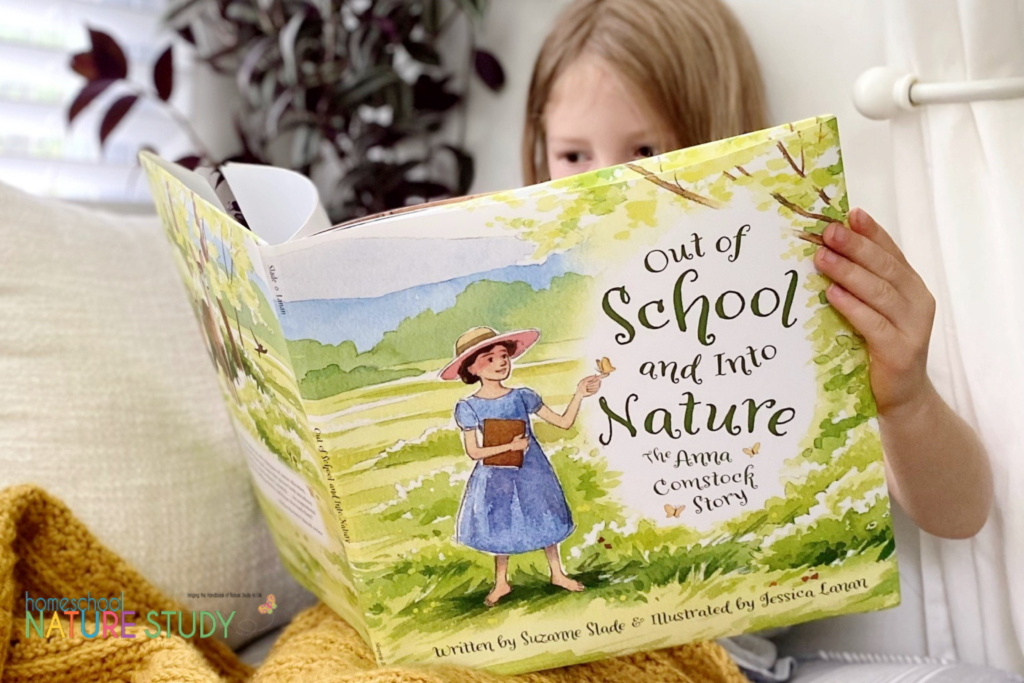
    Out of School and Into Nature is a wonderful book for your library nature study.

    You can put a limit on the number of books your child can borrow on one topic. It is always disappointing to go to the library and find that someone has cleared the shelf of all the books on one topic. Take just enough to read in a week and then if you still have interest, check out another book on the same topic.

    How to Read a Nature Literature Book

    • Get comfortable with your child at your side or one on each side, making sure they can see the pages.
    • Start with the cover of the book and ask them what they see and what they think the book is all about.
    • Read the title and then the first few pages, slowly reading the words and allowing time for gazing at the pictures.
    • Every few pages pause for your child to tell you something about what you just read (narration). See if they have any questions.
    • If it is a short book, finish the book and have your child give their thoughts about the book. Did they have a favorite page or picture? Have them share something they learned about the topic from reading the book.
    • Use the book’s illustrations as the basis for an art lesson, copying a picture with colored pencils or markers onto paper.
    • Leave the book out for the child to look at again and hopefully enjoy a second time. (Make sure if you have little ones around that they can’t get to the book and mar it in some way.)
    • Keep your nature books together, perhaps organizing them by topic or by season.
    Fun with the art of Eric Carle! Tricia and her family checked out several Eric Carle books for their library nature study after their visit to the art museum.

    Nature Authors to Look Up at Your Library

    Please some are Amazon affiliate links. Please see our disclosure policy.

    Lois Ehlert                                                           Eve Bunting

    Joyce Sidman                                                     Eric Carle

    Diane Siebert                                                     Diana Hutts Aston

    Jim Arnosky                                                        Jean Craighead George

    I have some books that are personal favorites that I will include here in this post. You can look for them at your local library.

    North American Wildlife: I am highly recommending this book to all Outdoor Hour Challenge families who live in North America. This is a perfect complement to the Handbook of Nature Study and will give your family a valuable tool in digging deeper into the wonders of nature in our own part of the world.

    Keeping a Nature Journal at The Curriculum Choice: This book can be used right alongside the Handbook of Nature Study. It will give you step by step help in creating nature journal pages that are simple but meaningful to your child. (Shirley’s review here).

    Take Along Guides for Homeschool at The Curriculum Choice: When I found my first “Take-Along Guide” at a used book store, I was interested so I purchased it.  But it was later when I began really reading it that I became really interested.

    You don’t need to spend lots of money building a library of nature literature. Using the public library as a source of books is easy and fun.

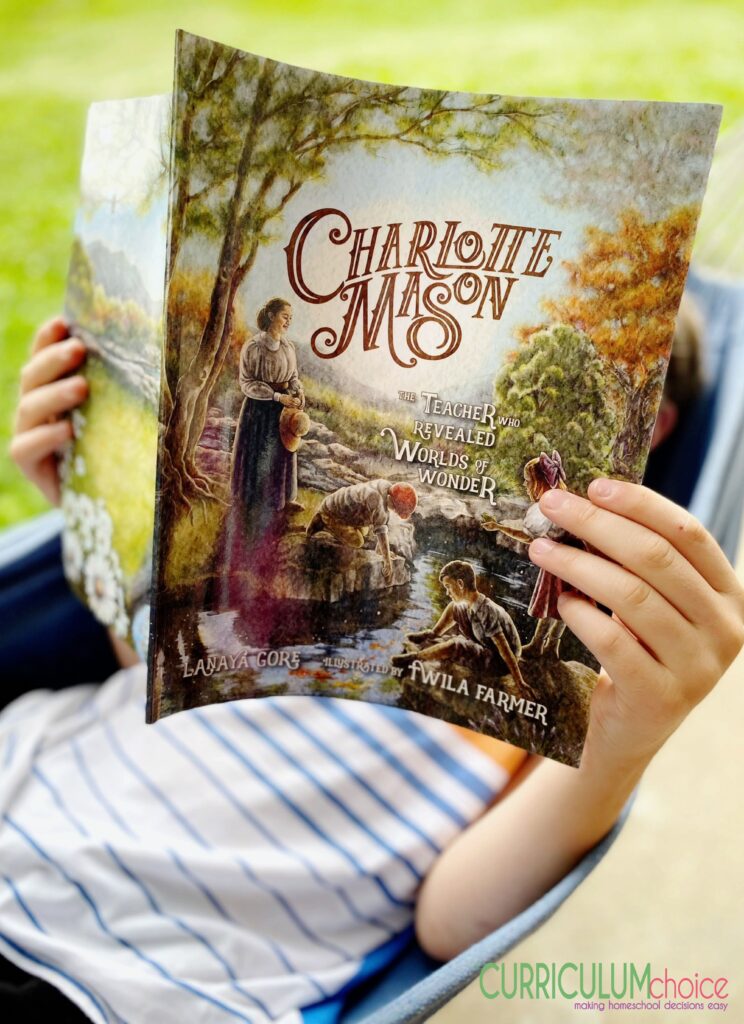
    Charlotte Mason Picture Book Biography: This lovely Charlotte Mason picture book biography tells the story of Miss Mason, painting a picture of the time she lived, her knowledge of how children learn and her passion for children to love learning. At our sister site, The Curriculum Choice.

    This is a life-long project and you can share that concept with your children, building the notion that nature study is a way of life long after homeschooling is over.

    Homeschool Nature Study Membership for Learning for the Whole Family

    Members will find a Nature Book Report you can complete if you would like to keep a record of your library nature study learning.

    To get each Friday’s homeschool nature study Outdoor Hour Challenge and for access to a continuing series of new nature studies, join us in Homeschool Nature Study Membership. You will have everything you need to bring the Handbook of Nature Study to life in your homeschool.

    With membership, you will have access to Outdoor Hour Challenges curriculum and resources to enrich your homeschool.

    Be inspired! Be encouraged! Get outdoors!

    November 2013 Newsletter

    You don’t need to spend lots of money building a library of nature literature. Using the public library as a source of books is easy and fun.