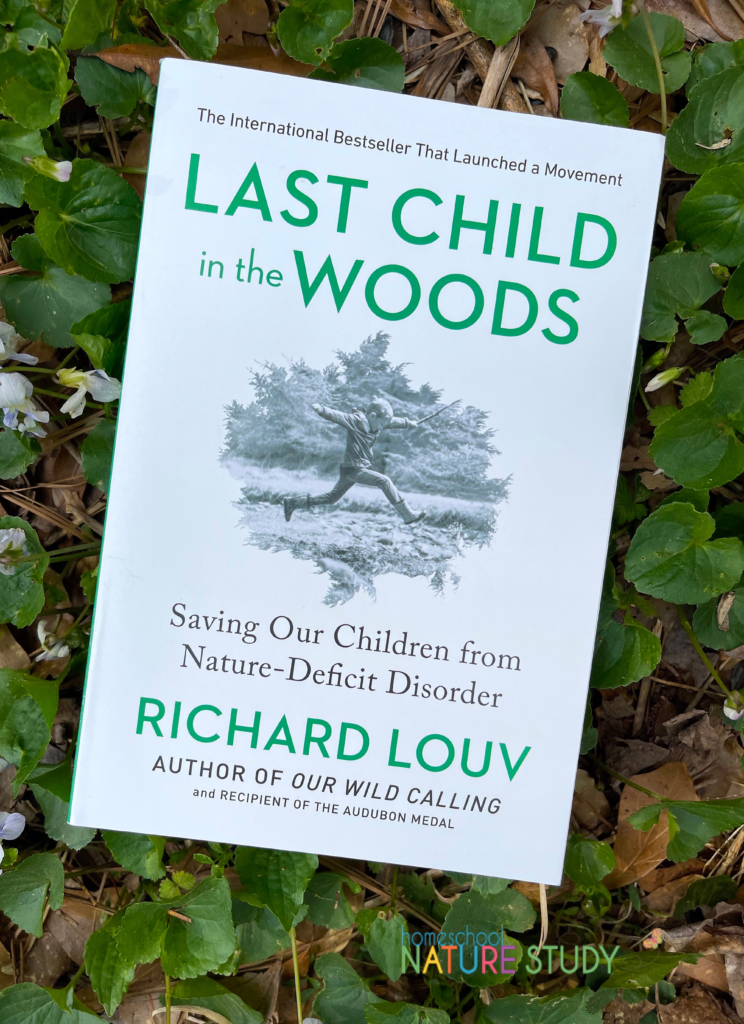
A book can transform your thinking completely or it can validate what you have experienced in your own life. Some books do both, like Last Child in the Woods by Richard Louv. This is a must read book for all homeschool families who are endeavoring to expose their children to the natural world on a regular basis.
Note: affiliate links are included.
Last Child in the Woods
“There is a real world, beyond the glass, for children who look, for those whose parents encourage them to truly see.”
Richard Louv
We all know he is right. Children are just not getting outside for free play and even sadder they are not even wanting to be outdoors anymore. Sometimes the parent is too afraid to allow them the freedom to roam outside or sometimes it is the lack of availability of an appropriate outdoor space that is the cause. Either way, it is a sad world when children are living indoors most of their days.
Last Child In The Woods gives solid reasons and then practical ideas for restoring this nature play time for our children. Also, there is a section that talks about children that perhaps have the “eighth intelligence” which is the child whose learning style is that of a Naturalist type. Louv lists descriptions of children that have this specific learning style which you may find helpful in understanding just how to help your child with this type of intelligence.
Saving Our Children From Nature-Deficit Disorder
I will list a few teaser points from the book that I have highlighted in my copy of the book that I think apply to what we do here at Homeschool Nature Study with the Outdoor Hour Challenge.
“…during the nineteenth century, nature study, as it was called, dominated elementary school science teaching. Now that nature study has been largely shoved aside by the technological advances of the twentieth century, an increasing number of educators have come to believe that technically oriented, textbook-based science education is failing.”
“By expressing interest or even awe at the march of ants across these elfin forests, we send our children a message that will last for decades to come, perhaps even extend generation to generation.”
Homeschool Nature Study For Your Family
This book is a perfect complement to reading in the Handbook of Nature Study. I think Anna Botsford Comstock would have felt the need to write just this sort of book if she lived in our modern age. The principles are the same, the message embraced in everything Anna Botsford Comstock created: Get children outdoors looking at the world around them.
I highly recommend that you look for this book at your local public library and then read it.
I invite you to read and have your thinking transformed, creating in you the need to spend time outside with your children.
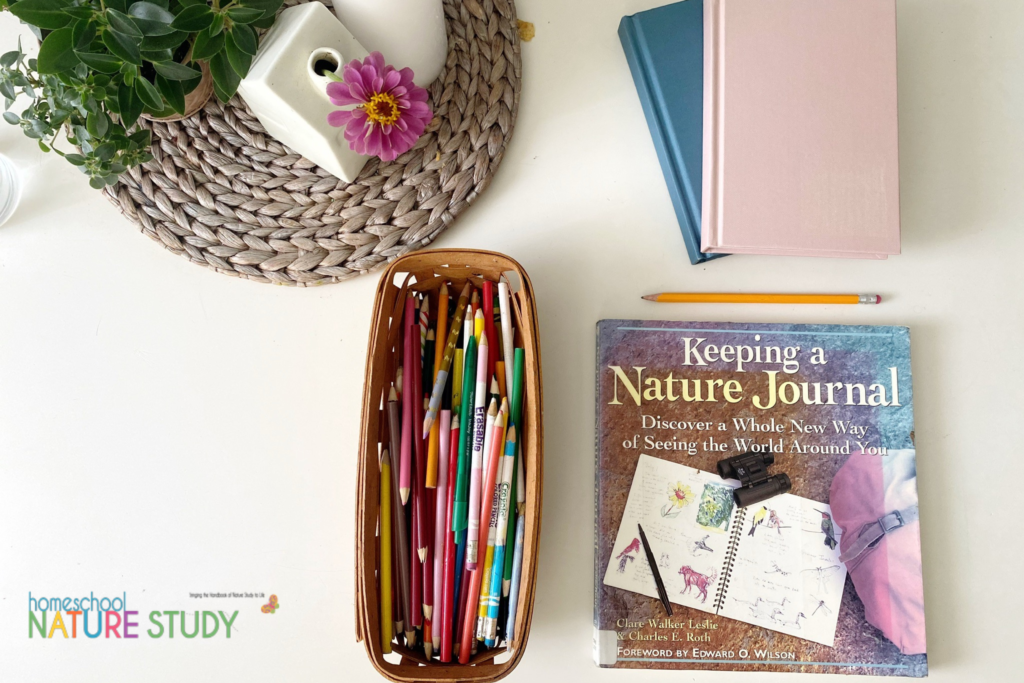
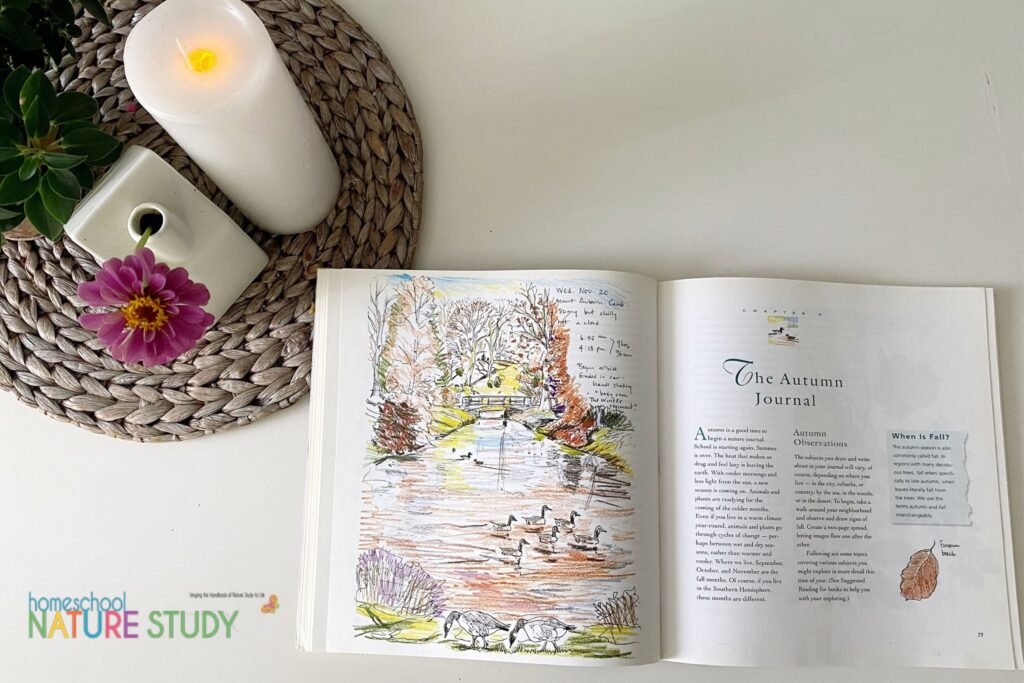
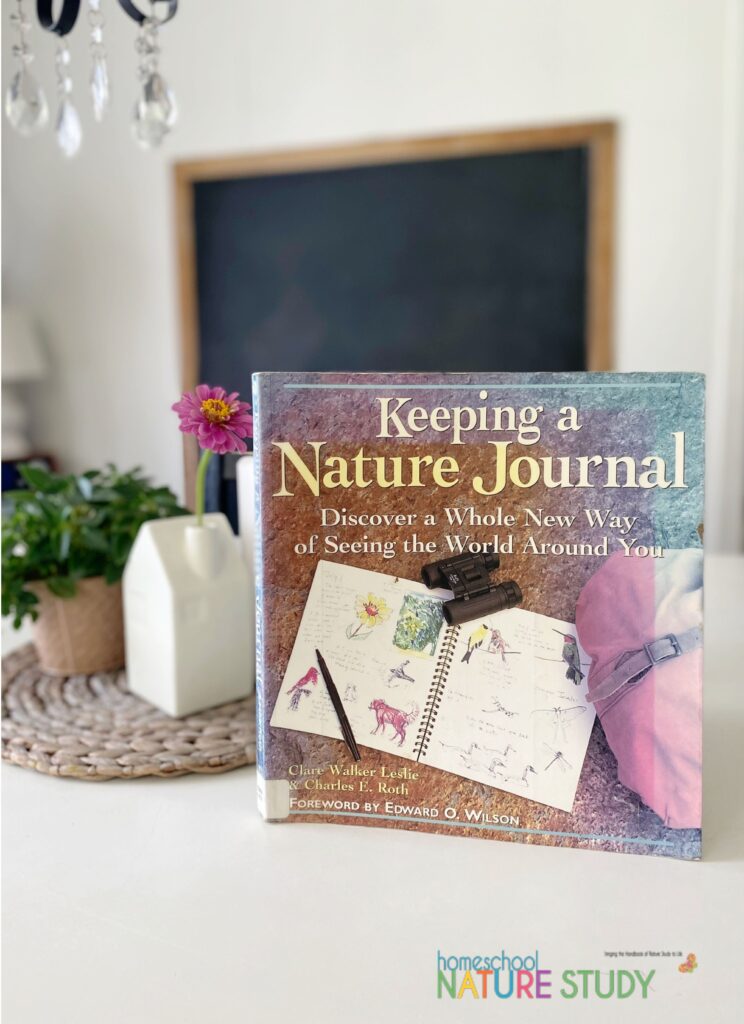
Keeping a Nature Journal is a great homeschool nature study resource and contains a wealth of ideas that you can pick and choose to use as inspiration. This book is a tool like so many other tools we use in our family’s nature study.
Thisis a book that many of us own and is sitting on our shelf. It may also be a book that you have looked at online, have seen others using, or actually paged through at a bookstore. It is a familiar book that I have a love/hate relationship because of the perceived expectation that it creates for journalers.
Many of us struggle with perfection. We think that a nature journal should be a place of beauty and value…which I agree with wholeheartedly. But, it also can be a place that we experiment and mess up from time to time. A smear here or a misspelled word or funky drawing we don’t like can also appear on a nature journal page. Those “mess ups” shouldn’t keep us from striving to create pages on a regular basis.
Don’t let the great page examples overwhelm or discourage but allow them to create a reservoir of ideas to use over the years as you fill your journal.
Quick Thoughts About the Book
Note: page numbers are from the first edition
This is a book for all ages to use as they learn to keep a nature journal.
You will find ideas for using a nature journal in all curriculum areas on page 165 (A Curriculum Web for Nature Journaling).
The “Getting Started with Drawing” section (pages 139-153) would be a wonderful basis for an art course using nature as your subject.
I found the section titled, “Subjects to Observe, Draw, Record throughout the Seasons“, to be a wonderful inspiration and I intend to refer to it for my own use. Each season is listed in the chart along with ideas for drawing birds, animals, plants and trees, weather and sky, and seasonal celebrations.
***I see the second edition of this book has an expanded section showing more of Claire’s actual journal pages.
Keeping a Nature Journal by Claire Walker Leslie and Charles E. Roth gives this long term nature journal mom some fresh ideas that I can’t wait to use in the upcoming summer season.
Nature Study in Your Own Backyard and Nature Journaling with Outdoor Hour Challenges
To get each Friday’s homeschool nature study Outdoor Hour Challenge and for access to a continuing series of new nature studies, join us in Homeschool Nature Study Membership. With homeschool nature study membership, you will have everything you need to bring the Handbook of Nature Study to life in your homeschool.
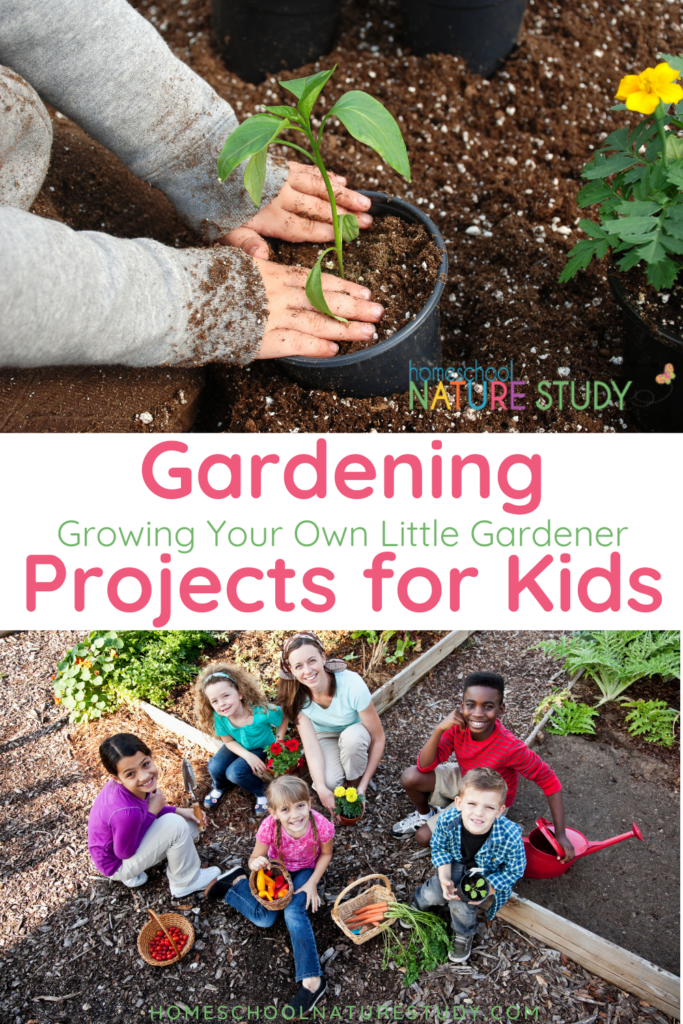
Gardening Projects for Kids by Whitney Cohen and John Fisher is much more than a “how to” garden book. It is more than suggestions for getting started with gardening with your children. It is in fact a book that encourages a gardening way of life..spending lots of time with your children in the outdoors in your backyard working and playing together. I love this message found throughout the book.
It is exciting to find a resource that gathers many easy to use ideas, presents them in a way that is enjoyable to look at, and lights a fire inside me to get outside into our garden as soon as possible. This book does a great job at showing how ordinary families with ordinary kids can get outside and make memories that will last a lifetime. What a great supplement to the Outdoor Hour Challenges!
Gardening Projects for Kids – Growing Your Own Little Gardener
Want to get a glimpse into what this book has to offer? Here is a short video on YouTube!
Gardening is an important way to connect our children with nature. Gardening allows for casual talk about things we observe as we plant seeds, water seedlings, weed, and harvest the goodies from our garden beds. The Book of Gardening Projects for Kids is a visual feast for the eyes and will inspire you to make room for a garden in your yard. This delightful book is just so much fun to look at and paging through it I just can’t help but smile.
Don’t have a garden yet? Don’t worry! It is never too late to get started.
I garden and my son takes a scooter break.
“Your joyful work in the garden is the most likely thing to encourage your kids to join in…..Simple role model gardening with a joyful attitude and an open mind, and your kids may find it contagious.”
Making Gardens Fun for Kids section
Gardening is a time for them to work as well as to play. They can explore the garden while you do the garden chores. The book shows ways to incorporate play in your garden from the smallest toddler all the way up to teens. This book shows you how to “weave the garden into your everyday lives”.
The projects in this book are more than your average list of things you would expect. Here are a few that caught my eye and make me wish my children were much younger.
1. Solo Garden Ramble- You set up a trail of notes for your child and as they follow your directions on their own they are cued to do certain things in the garden like smell a flower, look for shades of green, hug a tree, etc. I love the idea of fostering independent exploration.
2. Making Dolls From Flowers- This would have been a huge hit with my daughter when she was younger.
3. Blindfolded Meander – You guide your blindfolded child through the garden encouraging them to use all their other senses.
There are many projects in the book that are appealing to me even now that the children are older.
1. Growing a Rainbow of Cut Flowers 2. Homemade Tea Bags 3. Making Your Garden a Certified Wildlife Habitat 4. Rock Plant Markers 5. Lots and lots of recipes using produce from your garden
Creating Their Own Garden Box – Always a Highlight Each Spring
Gardening Projects for Kids is a book that families will want to look at together as you pick a few things to add to your garden each year. I am keeping it with my garden reference books so when I am picking seeds and planning when to sow them, I can pull this book out and be reminded that we need to have fun in the garden too!
The summer is nearing its end but there are still plenty of warm days and sunshine to start enjoying your garden with your children.
Older children can design their own garden space.
I can’t share all the wonderful ideas in this review but here are the chapter titles to capture your interest.
1. Making Gardens Fun for Kids 2. Designing a Play-Friendly Family Garden 3. Digging in With Kids: Planning, Growing, Thriving 4. Pizza Pies and Pumpkin Jungles: Theme Gardens 5. Wings, Webs, and Whiskers: Animals in the Garden 6. Garden Adventures and Games 7. Art in the Garden: Fun Projects for All 8. Cooking from the Garden: Snacks, Meals, and Other Tasty Activities 9. Preserving the Harvest 10. Let the Festivities Begin: Garden Celebrations
There is something to learn from each chapter in this book…in fact, there are 101 ideas packed into the pages. Our family gives this book a huge thumbs up and we are excited to use a few of the ideas when we plan next year’s garden.
I received this book to review from Timber Press and no other compensation. As always, the opinions expressed in my reviews are my own and are a fair and honest account of my experience with the product.
How to Create a Winter Garden with Shelter for Wildlife – Here are a few of the ways we keep our yard as a wildlife habitat in winter. We have structured our garden to help encourage wildlife to visit all year long. Create a Winter Garden and add shelter for wildlife with these easy and effective resources and tips.
Planting a Rainbow Book Activities: Flower Craft and Nature Game – This book is a fun way to introduce children to gardening. Each page has vibrant illustrations of bulbs and flowers. Children can see how different plants and flowers come in all different colors—-all the colors of the rainbow.
Join The Homeschool Nature Study Membership for Year Round Support
Can you believe all of these garden and wildflowers resources you will find in membership? You will also find a continuing series on gardens and wildflowers plus all the Outdoor Hour Challenges for nature study in our Homeschool Nature Study membership. There are 25+ continuing courses with matching Outdoor Hour curriculum that will bring the Handbook of Nature Study to life in your homeschool! In addition, there is an interactive monthly calendar with daily nature study prompt – all at your fingertips!
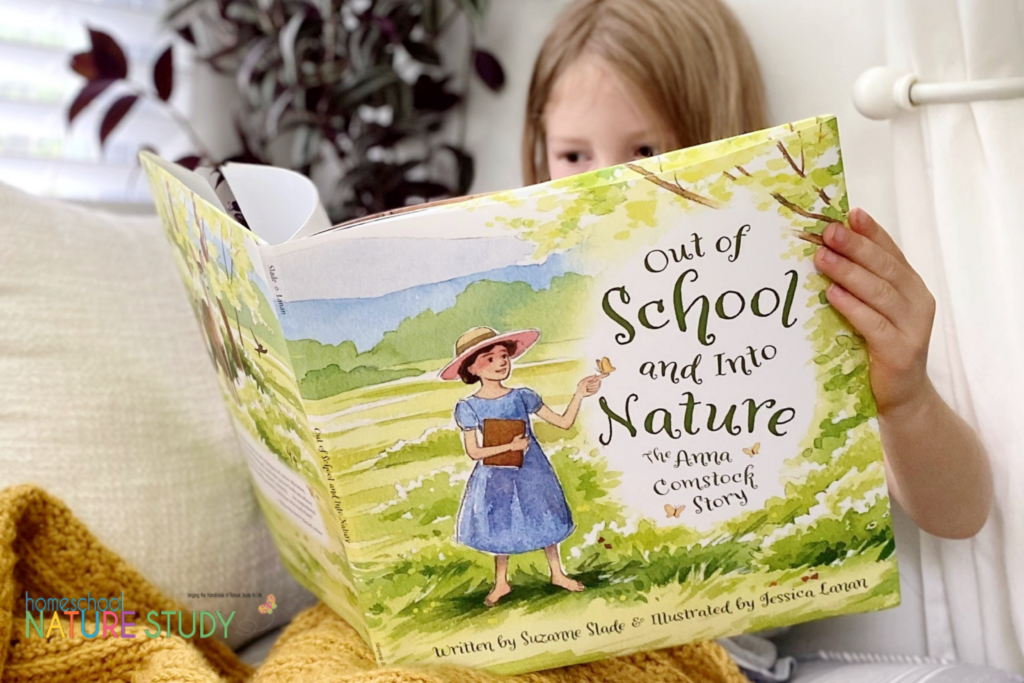
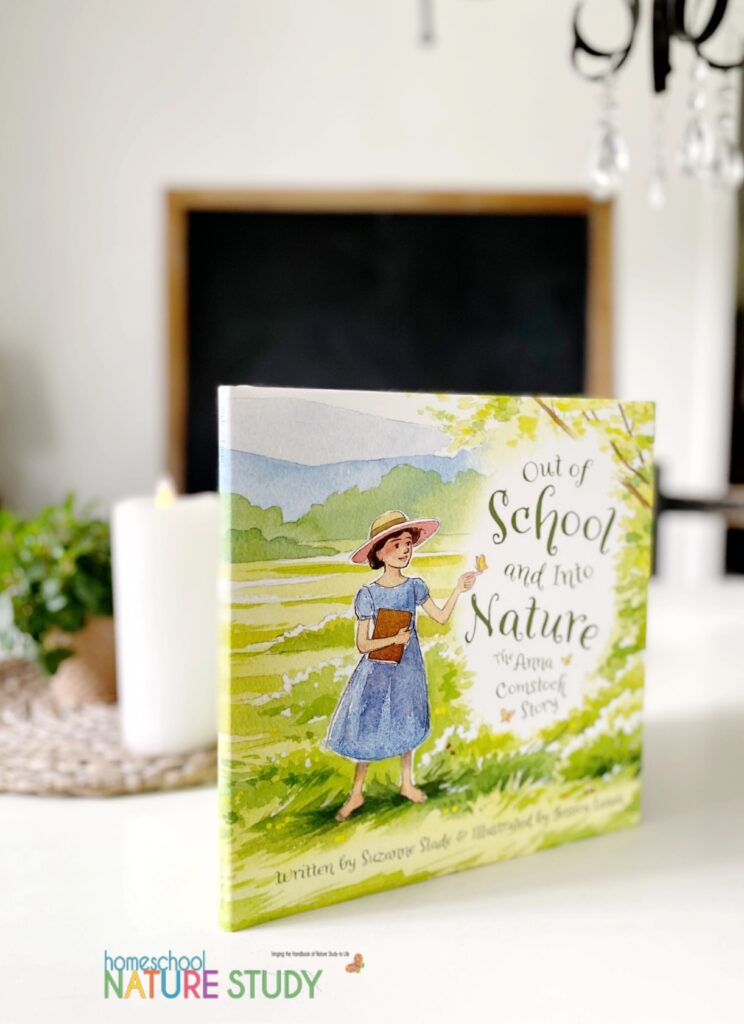
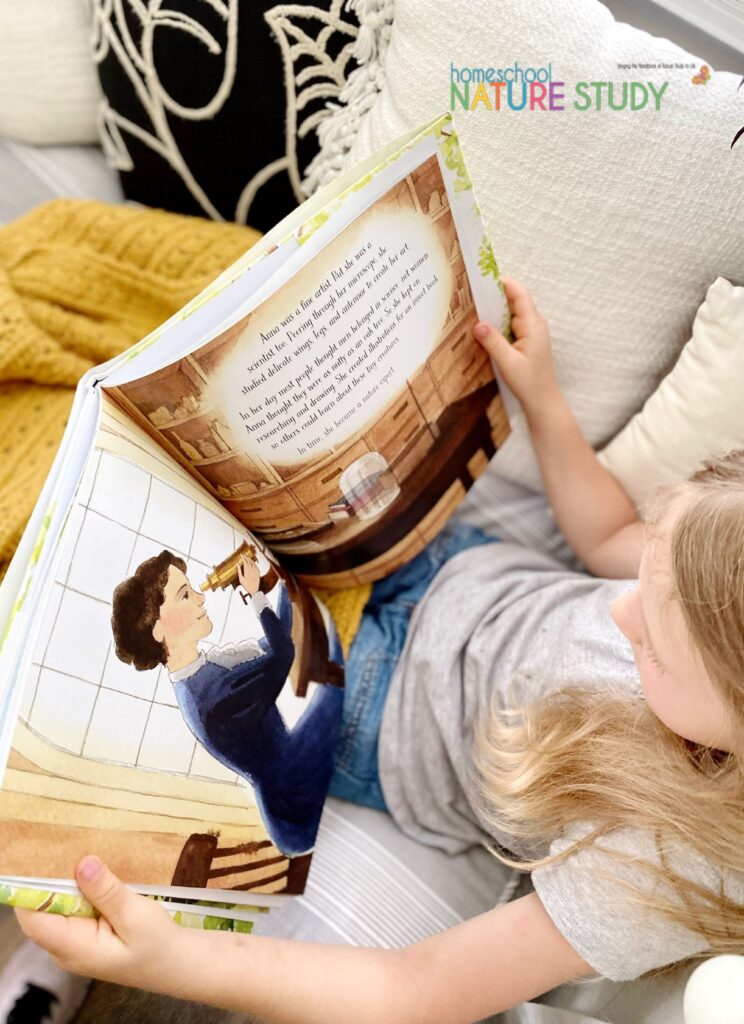
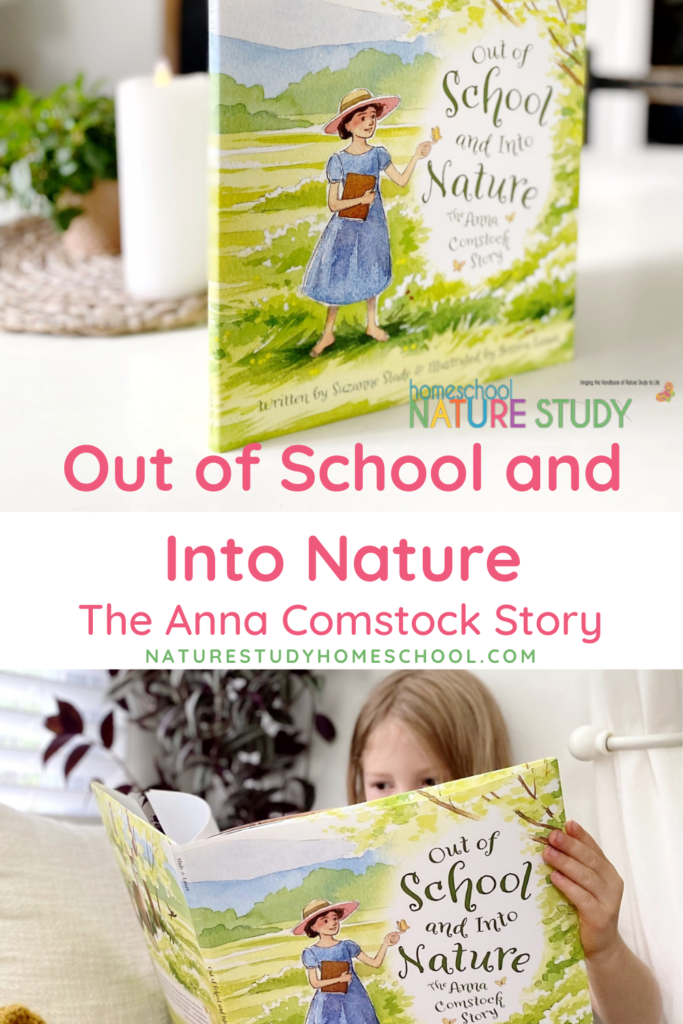
Out of School and Into Nature: The Anna Comstock Story is a beautiful picture book biography about the author of The Handbook of Nature Study. Anna Botsford Comstock was passionate about children getting out of the classroom and into nature to learn first hand about our beautiful world.
Photos by Amy Law
“From the time she was no higher than a daisy, Anna was wild about nature.”
Suzanne Slade
One of the most natural ways for people to learn is through story. This sweetly illustrated biography of Anna Comstock gives a glimpse into the life of the woman who wrote the wonderful book The Handbook of Nature Study. Knowing more about her life makes her writing even more special! – my friend, Amy Law.
Out of School and Into Nature: The Anna Comstock Story is a lovely book written by Suzanne Slade and beautifully illustrated by Jessica Lanan.
The Anna Comstock Story Picture Book Biography Review
“This picture book biography examines the life and career of naturalist and artist Anna Comstock (1854-1930), who defied social conventions and pursued the study of science. From the time she was a young girl, Anna was fascinated by the natural world. She loved exploring outdoors, examining wildlife and learning nature’s secrets. From watching the teamwork of marching ants to following the constellations in the sky, Anna observed it all. And her interest only increased as she grew older and attended Cornell University. There she continued her studies, pushing back against the common belief of the day that implied science was a man’s pursuit.
Eventually, Anna became known as a nature expert, pioneering a movement to encourage schools to conduct science and nature classes for children outdoors, thereby increasing students’ interest in nature. In following her passion, this remarkable woman blazed a trail for female scientists today.” –Out of School and Into Nature: The Anna Comstock Story
“The nature story is never finished. There is not a weed or an insect or a tree so common that the child by observing carefully, may not see things never yet recorded.”
-Anna Comstock
Here at Homeschool Nature Study, we highly recommend this book for your homeschool! It is a wonderful way to learn all about – and be inspired by – the author of the Handbook of Nature Study. You might also like our Anna Botsford Comstock Quotes for Nature Lovers and Last Child in the Woods.
Learn More About The Handbook of Nature Study for Your Homeschool
We have some great resources for learning what The Handbook of Nature Study is all about:
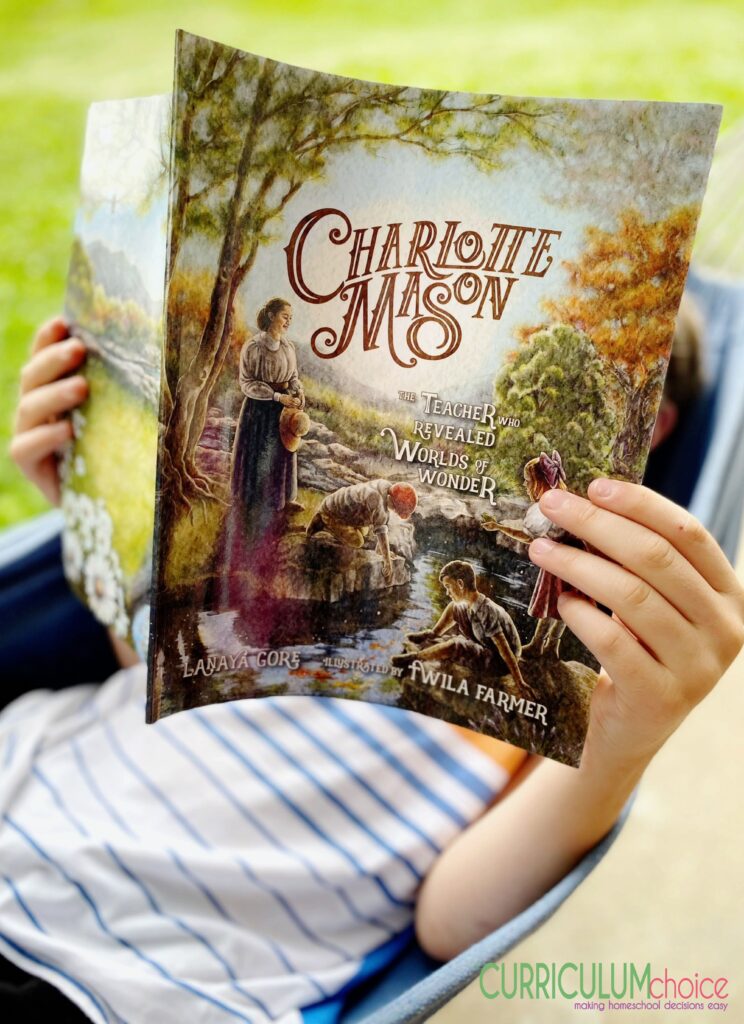
You might also like my review of a Charlotte Mason Picture Book biography: The Teacher Who Revealed Worlds of Wonder – on our sister site, The Curriculum Choice. Charlotte Mason adored nature study!
My Homeschool Nature Book Report
In Homeschool Nature Study membership, you will find a printable nature book report page under your Nature Journaling course. Use this when you enjoy the Anna Comstock Story or any other nature book!
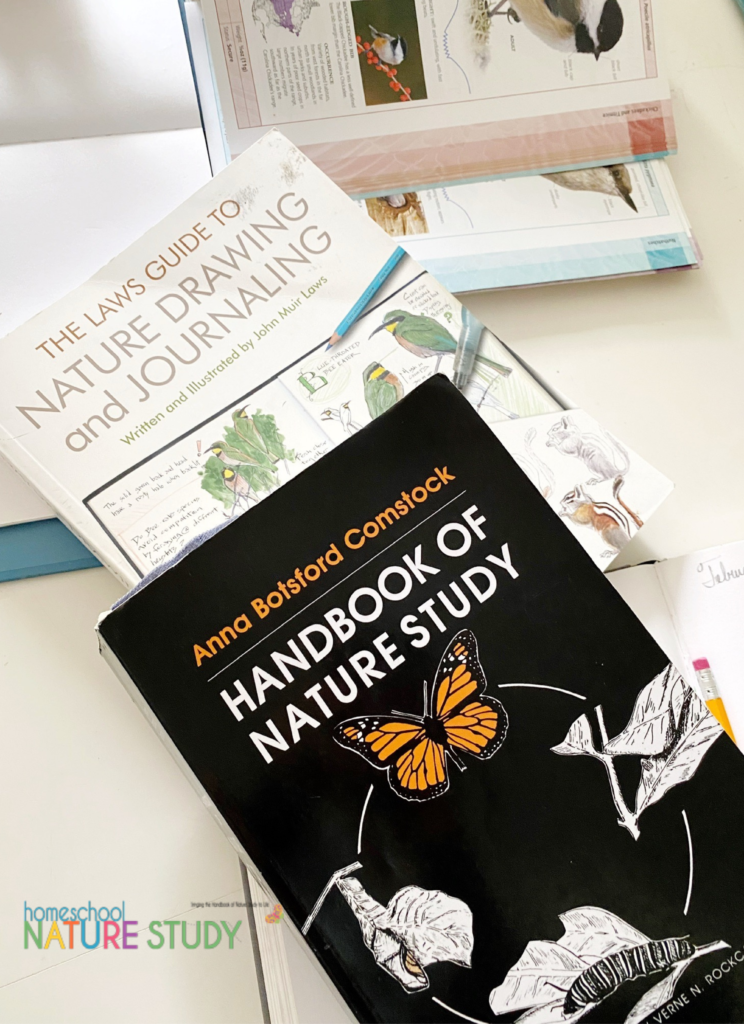
I have seen many books on nature journaling but the Laws Guide to Nature Drawing and Journaling is definitely the most thorough and potentially helpful of any book I’ve ever foundfor our homeschool. <<<<< This book is going to help me in my journaling and drawing skills immensely.
This review includes Amazon.com affiliate links.Please see our disclosure policy.
The Laws Guide to Nature Drawing and Journaling – Review
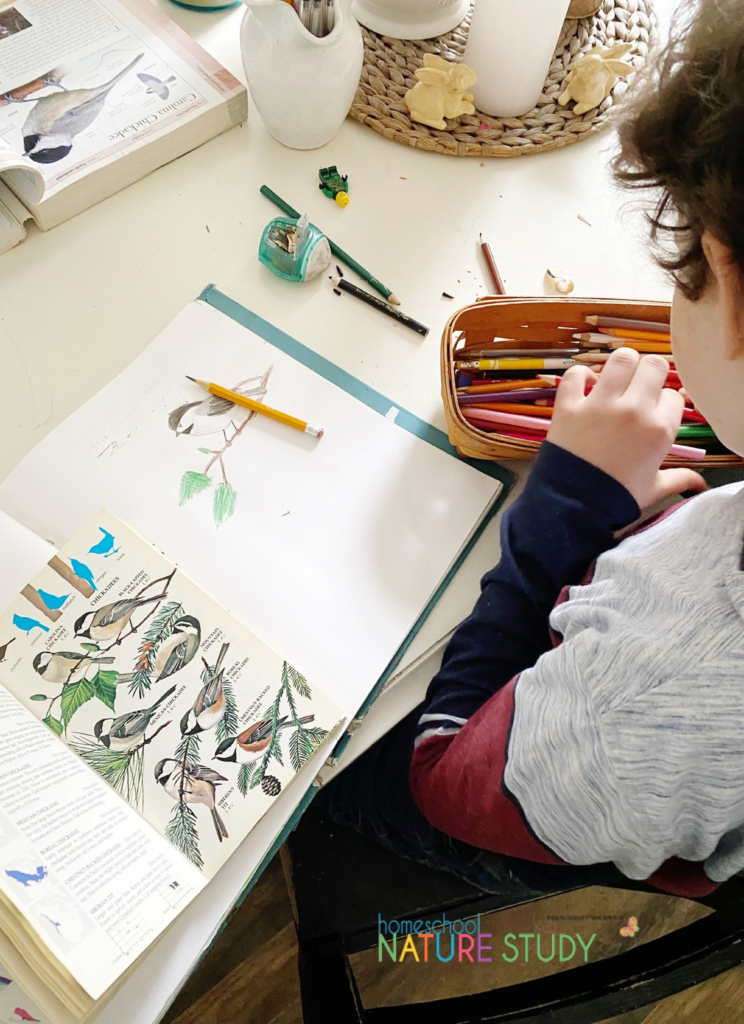
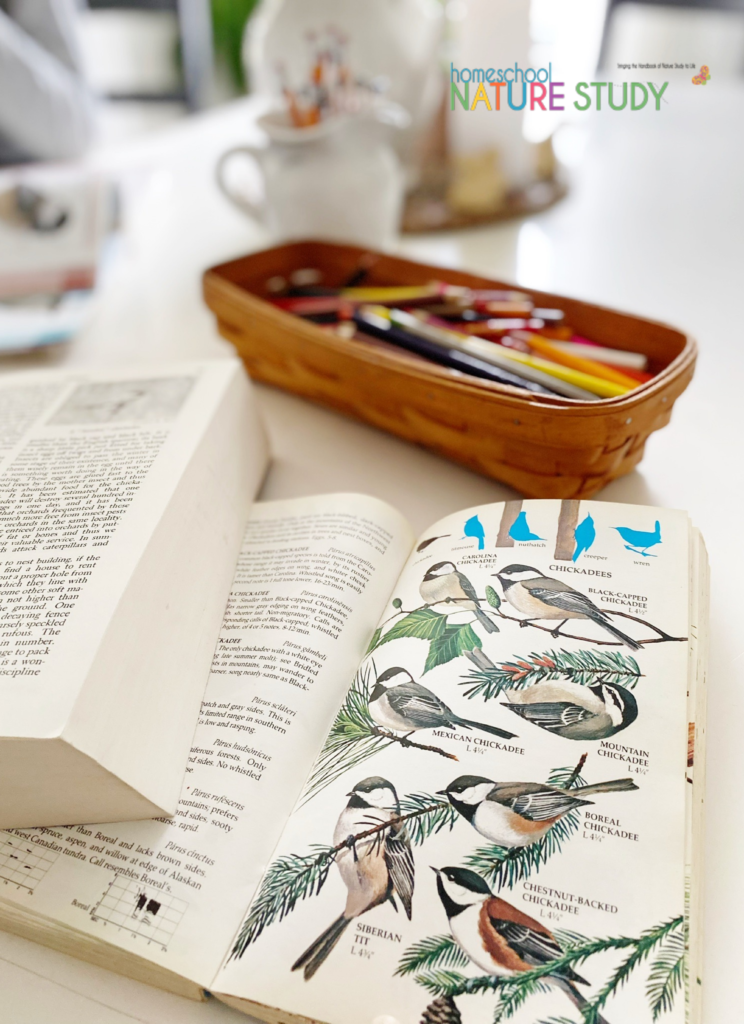
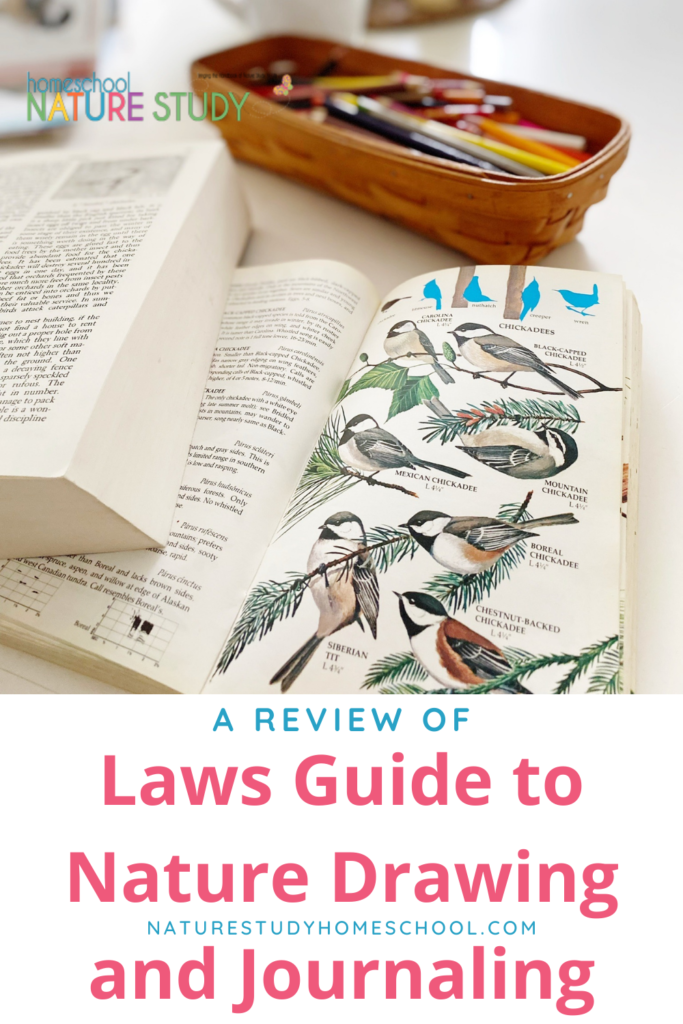
I finally received The Laws Guide to Nature Drawing and Journaling by John Muir Laws from our public library and it has taken a few weeks to get through an initial read through of this detailed and thorough book. My first reaction was one of happy surprise.
I would have been happy with this book just being a helpful “how to” sort of book with suggestions and hints for getting started with drawing in my nature journal. It was much more than I expected! The sections at the beginning of the book were a delight as they unfolded many ideas and insightful help in the philosophy and methodology behind nature journaling. Laws reminds us that careful and thoughtful observations should be the backbone of our nature study.
“Copying the journaling approaches of others will not reduce your own creativity or make you a clone of another person. You will incorporate what you find useful into your own style and discard what does not work for you.” John Muir Laws (page 63)
The Laws Guide to Nature Drawing and Journaling is full of inspiring illustrations that are not just in the book to be pretty. He breaks his example pages down to show how we can use the ideas and patterns in our own journals.
There are many, many specific drawing tutorials for everyday subjects you may encounter in your nature travels like frogs, flowers, trees, birds, and so much more. This section of the book could be the basis for a complete course in nature journaling. If my children were still homeschooling, my brain would be organizing the material so we could work through it methodically.
“Before you pick up your journal again, reform your intentions; let go of the goal of making a pretty picture. You don’t have to be good at drawing to discover amazing things through the process of journaling. John Muir Laws (page 86)
One of my favorite sections in this book is the two page spread that is titled, “A Road Map from Wishes to Practice”. On these two pages, John Muir Laws puts into words so much of what I try to encourage my blog readers to remember about journaling – everyone can draw with practice!
Take Your Nature Journaling Skills to the Next Level
If you are new to drawing or feel you don’t have a gift for drawing, this book is going to be a perfect bridge for you to get from where you are to the next level. It has specific step by step tutorials that will give you the confidence to start a practice of journaling. The author gives us all encouragement that we can take our skills to the next level with lots of practice and we will only fail if we give up or don’t try!
I highly recommend The Laws Guide to Nature Drawing and Journaling. I am going to be purchasing it to help me in my nature goal for 2017 to create a nature journal page each week. It will be a very beloved and well used book that I will keep in my personal nature reference library. I may be purchasing a few as gifts to share with some young friends I know that love nature and drawing.
The Laws Guide To Nature Drawing And Journaling: An Overview
If you read this book, don’t miss the first 17 pages. There are some fundamental ideas found there that I truly think will shape my thinking about science and nature study for a long time to come. He has gathered some important ideas on these pages and I would hate to think you are going to skip them to get to the drawing tutorials.
He suggests using the prompts I notice, I wonder, and It reminds me of to help us go a little deeper in our nature journaling.
There are project ideas that help you get started as you face a blank page. Check out pages 20 and 21.
Although this book is written by someone who lives on the west coast of the United States, the ideas and tutorials are applicable to anyone no matter where you live.
There is a comprehensive supplies list with specific suggestions that I found extremely helpful. I am a firm believer that having quality materials and a variety of media to choose from makes all the difference in your results.
Not only does he have a list of supplies, he has pages dedicated to showing you exactly how to use the pencils, pens, colored pencils, gouche, watercolors, and watercolor pencils in your nature journal, including some common mistakes beginners make using the materials. Helpful!
If you have never checked out the author’s website, you NEED to: John Muir Laws.
Look for this book at your public library or put it on your Amazon wishlist!
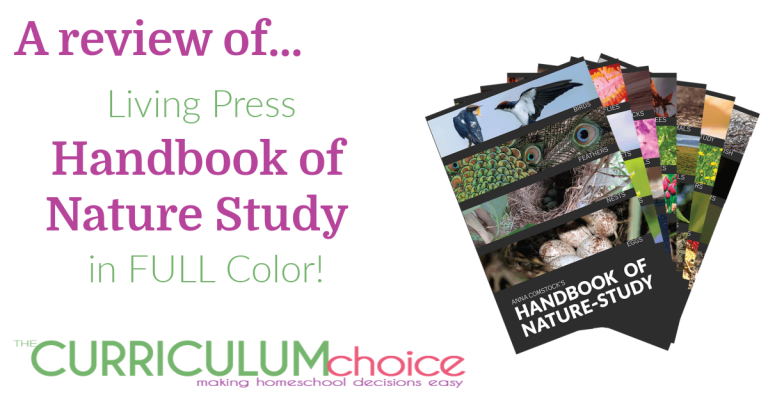
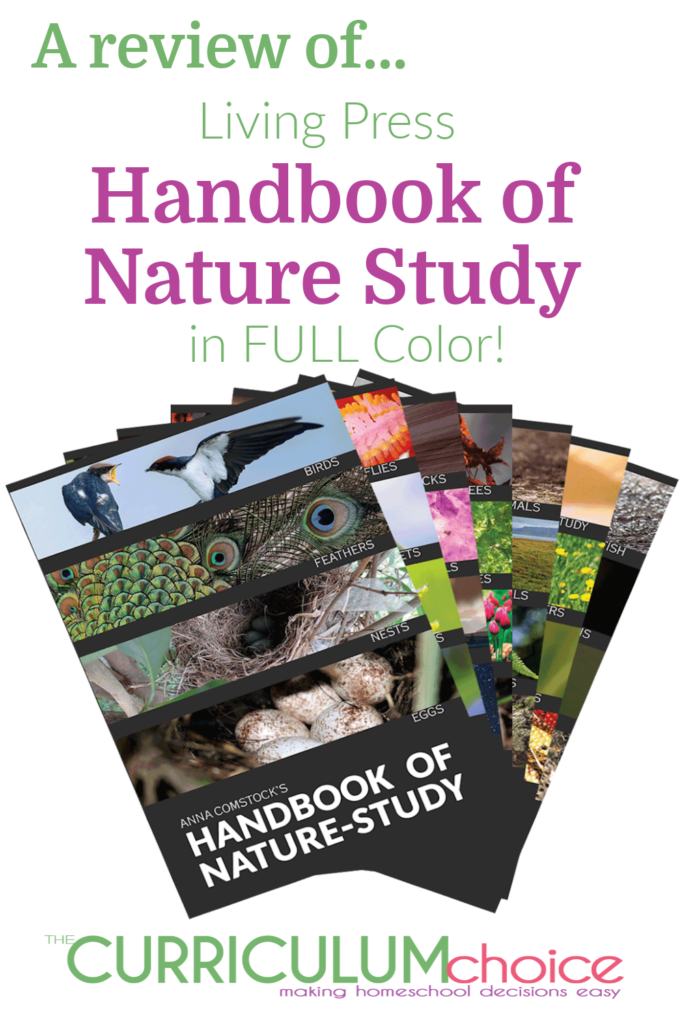
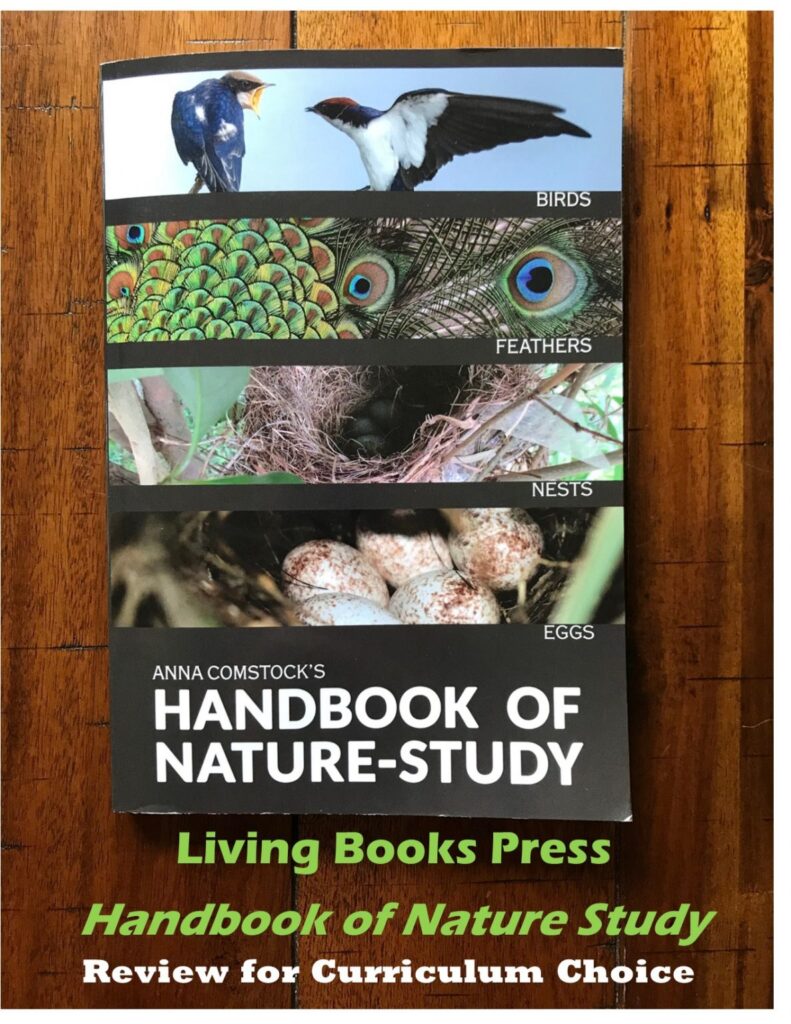
Looking for a Handbook of Nature Study review? Wondering about the new edition of the Handbook of Nature Study by Living Book Press? Here is my full review and what I recommend for homeschool nature study families.
I’ve used the Handbook of Nature Study for decades. To say that I love this book, would be an understatement. It has taken me on the journey of a lifetime and sparked my love and passion for all things found in the natural world. When I learned there was a new version of this classic book with full color images, I was excited.
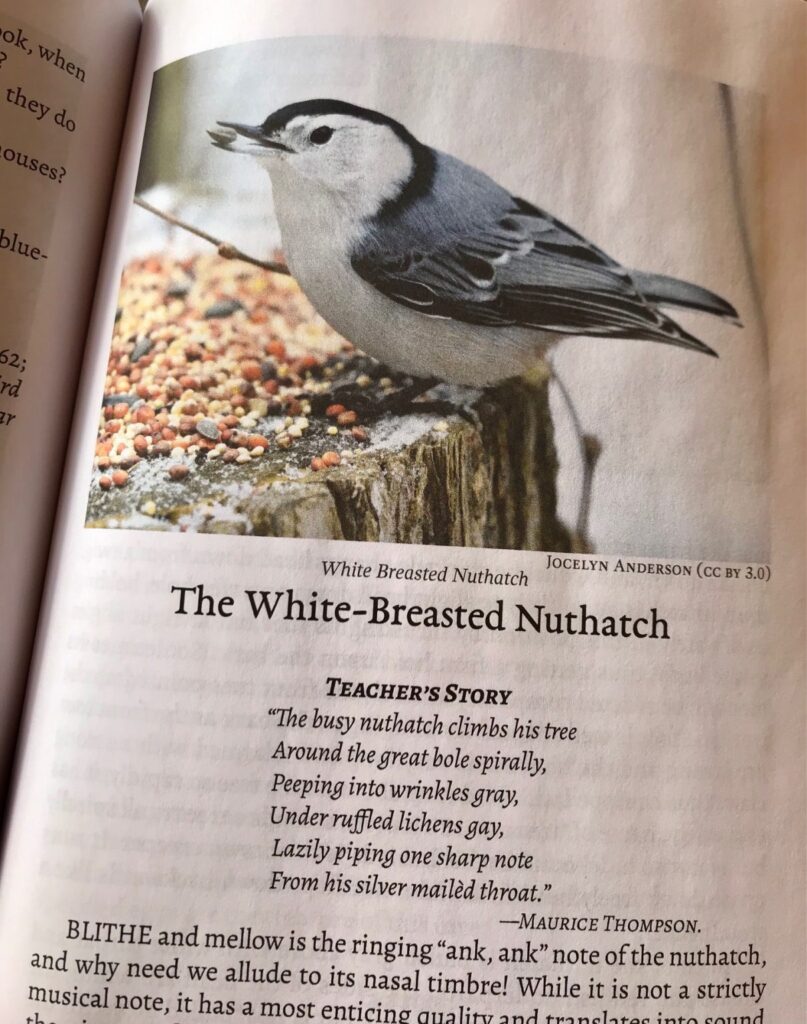
Living Books Press has created a seven volume series of paperback books that take the original content of the Handbook of Nature Study written by Anna Botsford Comstock and updated the black and white images with full color images for every topic in the book.
I recently wrote a thorough review of this series over on The Curriculum Choice
I would love for you to click over and read that review.
Just in case you want the bottom line…..
I don’t recommend these volumes for my Outdoor Hour Challenge families. The price is what holds me back from giving them a thumbs up. At almost $100 for all the volumes, the investment is just not worth the benefits of having smaller books and colored images.
I would rather you purchase the version recommended for years here on the Handbook of Nature Studyblog (cost is less than $30). Then, take the additional money and purchase some field guides to have as a supplement to the Handbook of Nature Study.
More Handbook of Nature Study Homeschool Help from The Curriculum Choice
The Handbook of Nature Study Book Here at Homeschool Nature Study
Which edition of the Handbook of Nature Study do you use?Where do you find The Handbook of Nature Study book?
The Handbook of Nature Study book by Anna Botsford Comstock is a staple in the Outdoor Hour Challenges we share. This is a wonderful reference guide for you, the homeschool teacher to use. We show you how, HERE!
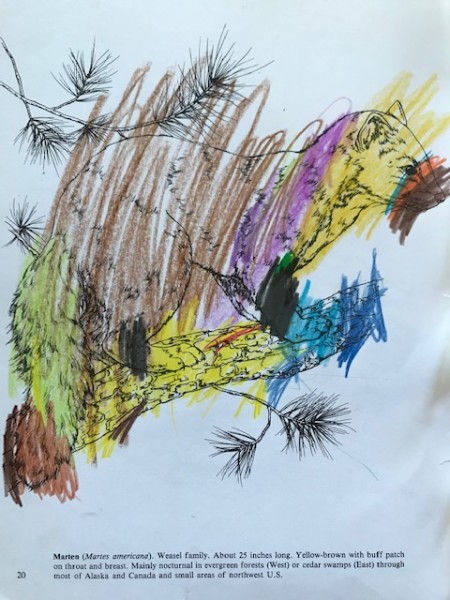
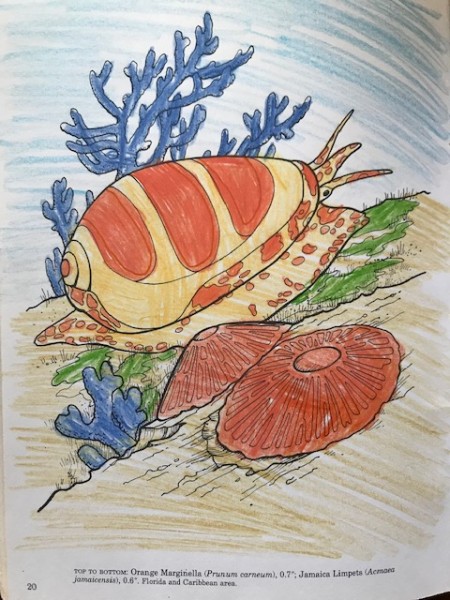
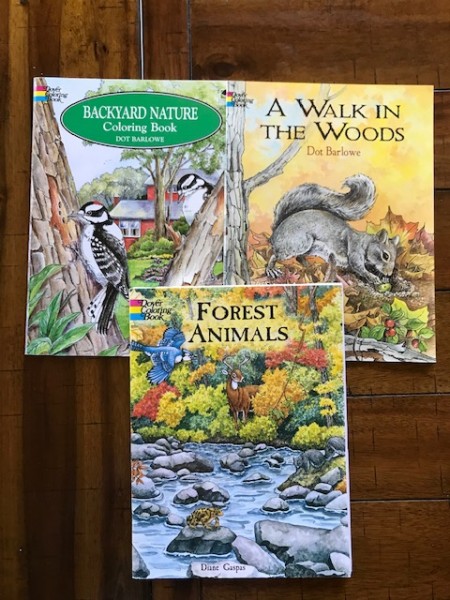
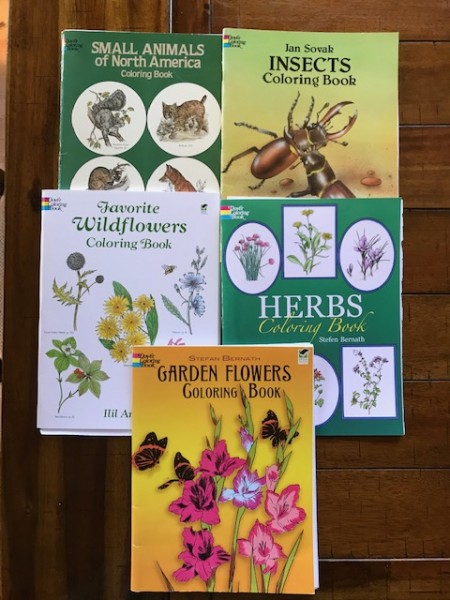
Our family has used Dover Coloring Books for many years and we’ve built up quite a large library of books on a variety of topics. I know there are many new readers to the Handbook of Nature Study blog that might appreciate an introduction to these inexpensive resources and a few tips on how to use them in their homeschooling nature study.
Let’s start off by saying that coloring books can be used in many ways and with different learning styles.
Not all children enjoy coloring in a coloring book and I don’t blame them. It can be tedious to try to find the “right” colors to use or to keep the markers or crayons neatly within the bounds of the black lines. I had one child who no matter what you suggested would color every image his own way…quite the creative spirit.
On the other hand, many children find it comforting to not have to stare at a blank page when creating a nature journal page. They very happily complete the page with realistic colors using either markers, crayons, watercolors, or colored pencils.
Older students find it helpful to use the black line drawings in a coloring book as a starting point for creating their own drawings in their nature journals, using the coloring book drawings as a template for their own work.
However your family would like to use the Dover Coloring Books in your homeschool or nature study plan, you’ll be glad you purchased a few to have in your nature library. Creative and nature loving children will enjoy these as a complement to their own nature journal. We used these coloring books on the long, cold days of winter when we couldn’t get outside to explore.
Please note these are Amazon affiliate links to coloring books I’ve purchased and used in our family’s nature study lessons and the Outdoor Hour Challenges.
Most of the ebooks found in the Ultimate Naturalist Library here on the Handbook of Nature Study website include images from the Dover Coloring Books. If you have a membership, look for them at the back of your ebooks.
If you’d like to become a member, please click the graphic above to go to the Join Us page for more details on purchasing a membership today.
You may wish to click over and read more about our family’s experience with Dover Coloring Books.
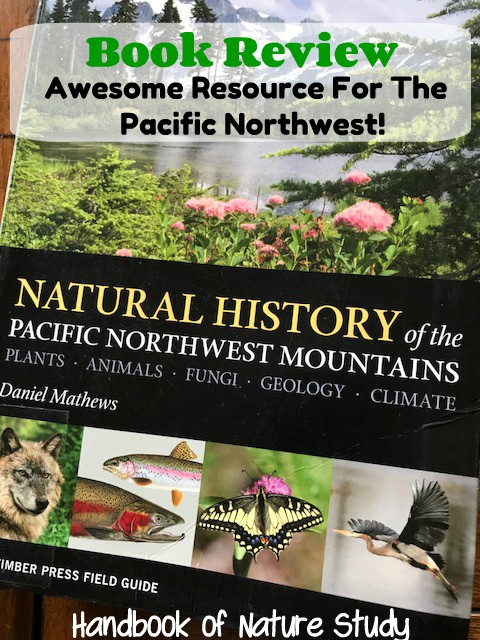
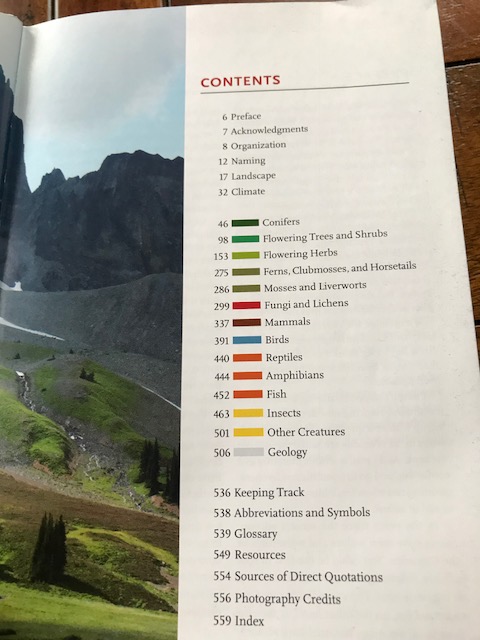
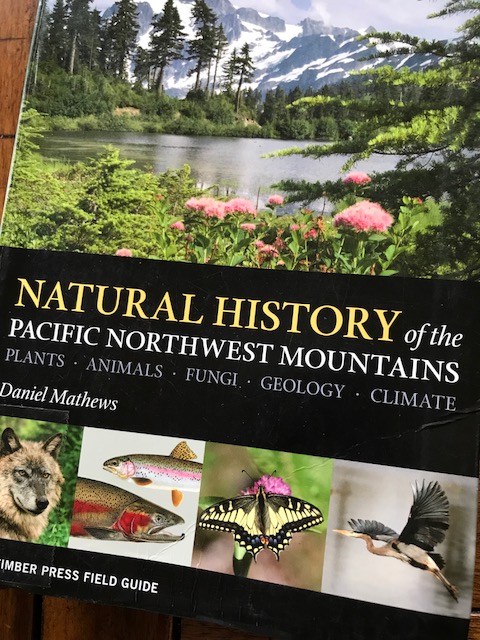
It’s been awhile since I wrote a book review here on the Handbook of Nature Study. I try to share only the best of the books that make it to my home nature library shelf, the books I use all the time and LOVE. So, this book, Natural History of the Pacific Northwest Mountainsby Daniel Mathews, is just such a book! I use it as a reference when I return home from a hike and I’ve seen something that captured my interest.
It covers all the basics: trees, shrubs, flowers, ferns, mosses, lichens, mammals, birds, reptiles, amphibians, fish, insects, geology and even the climate. (The topics are even color coded as a quick way to flip to the right section.)
The images are full-color photographs which helps make identifying unknown subjects easier. There are also clear line drawings of additional information like the leaf shape and bud shape that make identifying plants a snap.
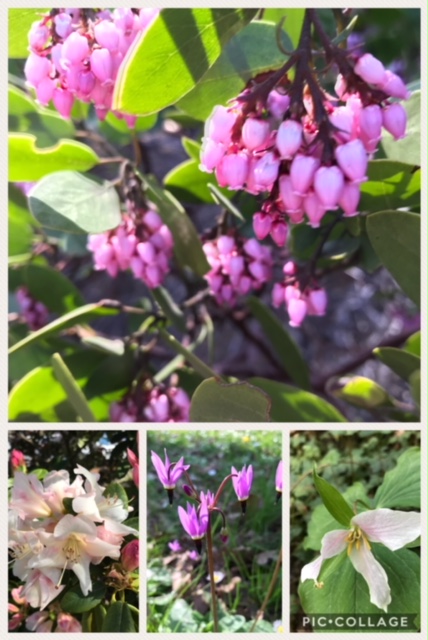
Since I’m new to this part of the world, I enjoy just paging through the book and digging in deeper where I find something of interest. I’m currently working on the wildflower section since it’s coming up on spring and summer blooming season. I digested the bird section this past winter as I listed in my nature journal the birds that visited my yard and on the river behind our house.
This review includes Amazon.com affiliate links.
I’m also enjoying this book because it’s more than a field guide. There are boxes that introduce people (that plants and animals are named for), boxes that explain fascinating additional information on things like animal sonar, torpor and hibernation, wing shapes, corkscrew trees, and so on. I love learning little tidbits along with my nature study and many of these facts make their way into my nature journal.
Note: My home is not specifically in the range that this book covers, but I still find it particularly useful since we many times travel to the range that is included: western Washington, southwestern British Columbia, and northwestern Oregon.
I give this book two thumbs up if you live or visit this part of the world…my neck of the woods. It’s a valuable part of my local nature study library shelf.
I’ve written quite a few book reviews in the past as part of my Nature Book Projects. You can find the selections from 2016 in the link below. Make sure to scroll to the bottom of the post to see the entire list.
I’m excited to participate again this month with the Nature Book Club group! I love trees and this month’s book selection is one that we have used in our family over the years. I still like to page through it and learn little tidbits about each of the trees.
This is an opportunity for you to join in with the club your own tree book entries by using the linky tool below to share your own tree related links this month too!
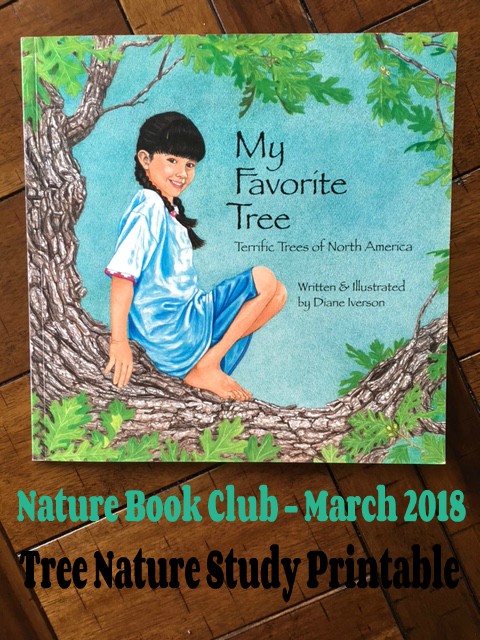
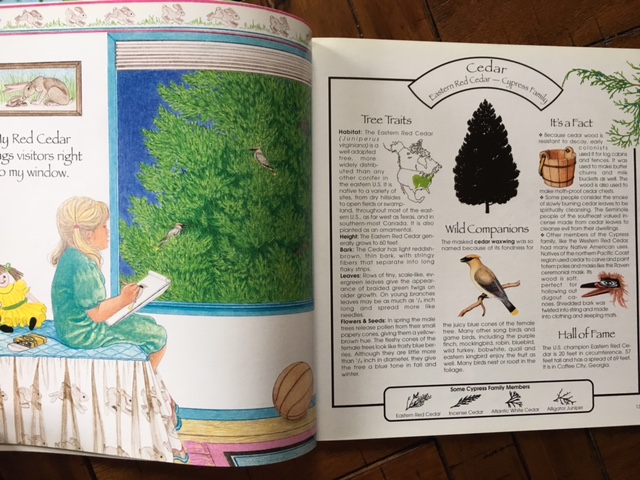
My Favorite Tree-Terrific Trees of North Americaby Diane Iverson is one of my all time favorite tree picture books for children of all ages. (Note this book is only available used on Amazon and this is my affiliate link) This book features trees native to Canada, Mexico, and the United States (including Hawaii). This is not a comprehensive field guide sort of book but it introduces a variety of trees from around North America along with interesting facts and much more.
¨ Tree Traits-excellent concise information on habitat, height, bark, leaves, flowers and seeds.
¨ Wild Companions-features a bird, mammal, or insect that makes use of the tree
¨ It’s a Fact-beyond the basic facts, this section shares fascinating historical and practical facts
¨ Hall of Fame-Location of the tallest or biggest specimen, state tree information and other “champion” information.
This is a book that would be a terrific addition to your nature study library if you live in North America.
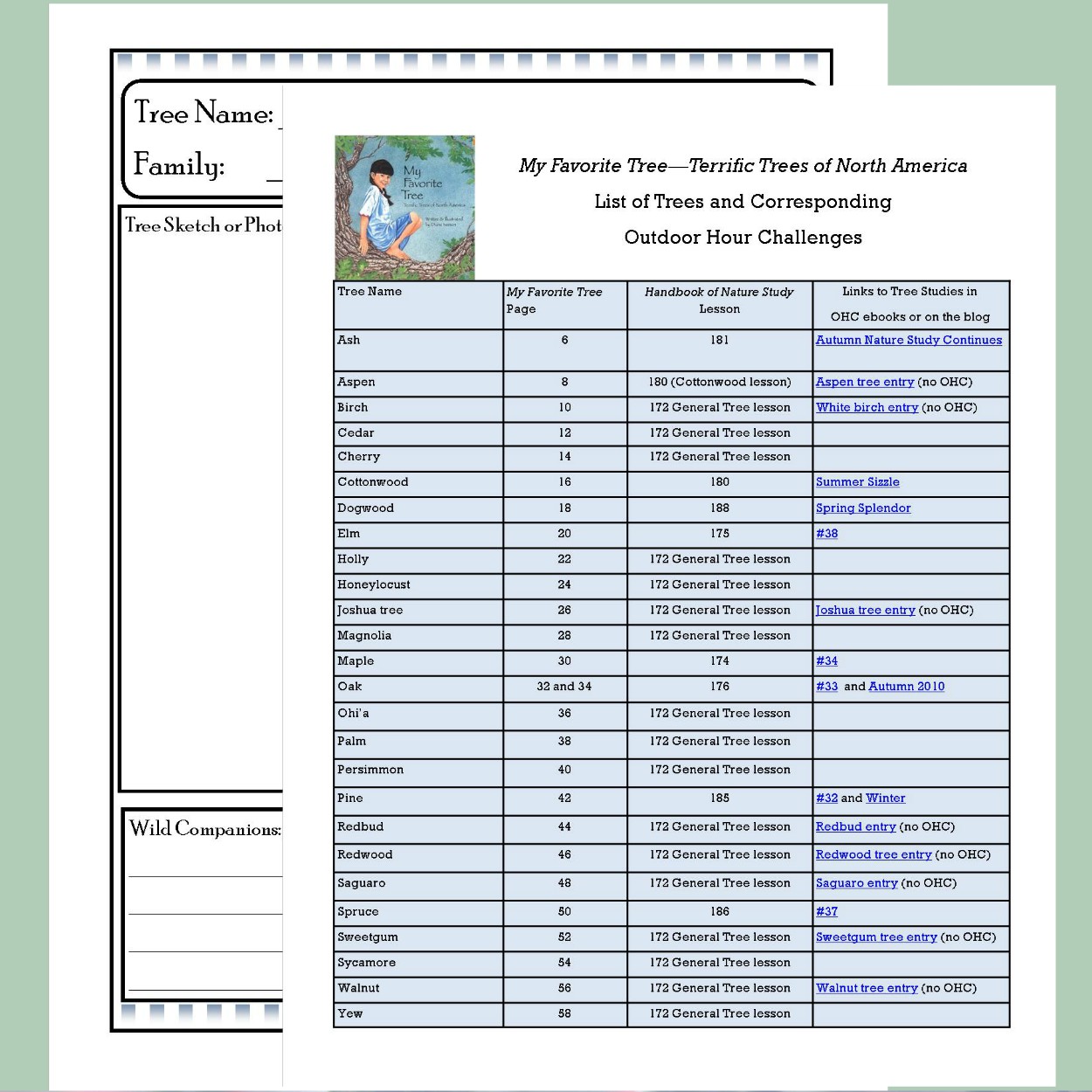
I have created a printable chart that coordinates the trees in the My Favorite Tree book with the Handbook of Nature Study lessons and then the corresponding Outdoor Hour Challenge. You can use this information to help you provide a more thorough tree study for many of the trees covered in the My Favorite Tree book.
There is also a custom designed notebooking page to use with each tree you learn about from the My Favorite Tree book. You can print this out as many times as you need to create a lovely record of your tree studies.
Additional Tree Study Idea
You may wish to start a year-long tree study, viewing a tree in all four seasons. Click over and read this blog entry for some simple ideas to get you started: For the Love of Trees.
Make sure to subscribe to my blog to follow along with all of the nature study ideas offered every week.
Link Up Guidelines
Choose an engaging nature book, do a craft or activity, and add your post to our monthly link up.
The link up party goes live at 9:00 a.m. EST on the 20th of each month and stays open until the last day of the month. Hurry to add your links!
You can link up to 3 posts. Please do not link up advertising posts, advertise other link up parties, your store, or non-related blog posts. They will be removed.
By linking up with us, you agree for us to share your images and give you credit of course if we feature posts.
See all the great posts from The Nature Book Club’s co-hosts in March:
It’s another month of nature book fun here on the Handbook of Nature Study. Last month we were learning about birds using the fantastic resource, Backyard Birds. This month I’m again joining with the same group of bloggers for another fun nature topic: small mammals! We’ll all share a book and activities that go along with that theme. You can use the links at the bottom of this post to see all of our books/activities.
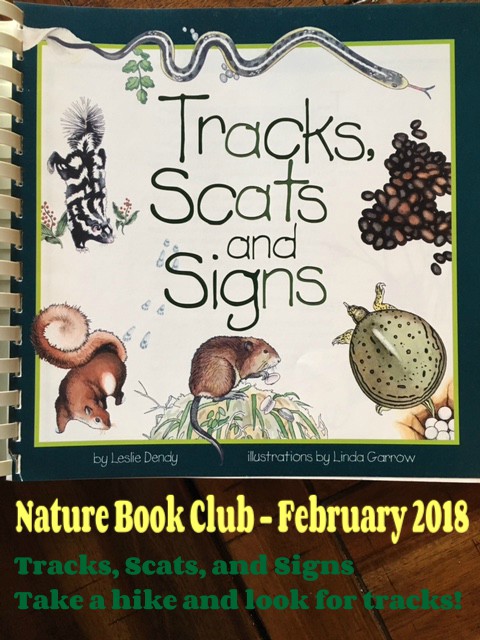
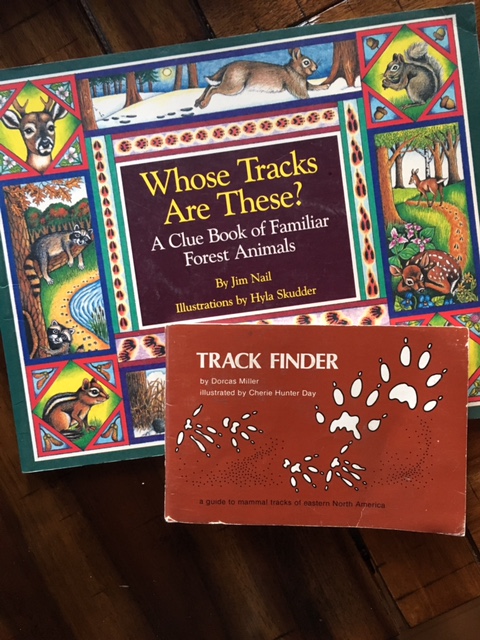
Tracks, Scats, and Signs: So many people have this book on their shelf but have never actually used it for their nature study. (It’s part of the Fun With Nature Take Along Guide as well!) I’m hoping to help you use the fantastic information in this book to get outside and look for some signs of animals in your yard and neighborhood. Look for the book at your local library!
(Note there are affiliate links in this post)
Simple Idea for Using Tracks, Scats and Signs for Your Nature Study
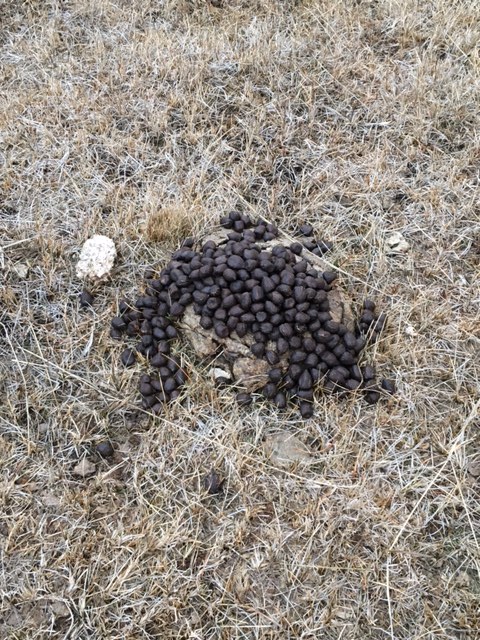
Read the book Tracks, Scats and Signs with your family before you go on a nature walk. Keep it light and enjoy the words and illustrations, noting any animals you may have in your local area. Each topic in this book shows an illustration of the tracks and the scat that each animal makes so you know what to look for during your outdoor time. You will need to explain the word “scat” to younger children; expect giggles as they realize it’s just a fancy word for animal poop. Along with each selection, there’s a short description of where to look for each animal and a little bit about their behavior.
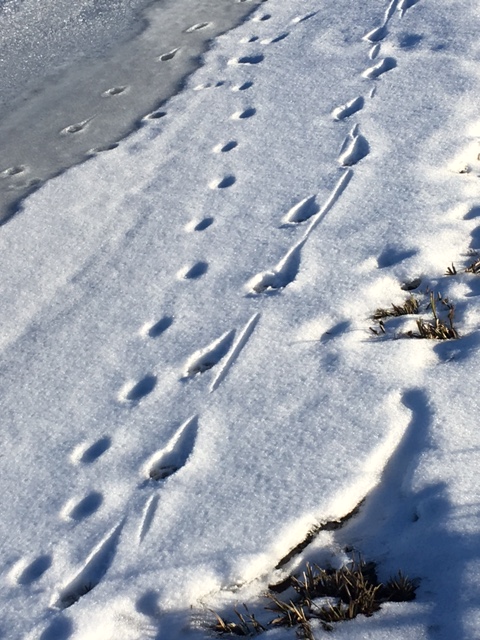
Take a nature walk looking for tracks, scat, and signs. We were always excited when we found animal tracks in the snow, mud, or ice! Take photos of any animal tracks you find as you explore. You may wish to bring along a ruler to measure the size of the animal tracks you find for future reference. Take a few minutes to use your imagination about who made the tracks and what they were doing.
When you get back home, make a nature journal entry recording any observations you have from your nature walk. I have used the illustrations in the Tracks, Scats, and Signs book to help me draw the tracks and scat into my own nature journal.
I’ve written a few Outdoor Hour Challenges that you could use along with the Tracks, Scats and Signs book.
Winter Mammal Tracks: Use the idea during the winter months to learn more about the animal tracks you observe during your outdoor time.
Signs of Mammals: We’ve found in our family that many times we don’t actually see small mammals but we observe signs of them during our outdoor time. This challenge helps you do some research about signs you find and then make a nature journal entry.
I’m hoping you will consider using my Winter Nature Study ebook with your family in the future. There are many more winter nature study ideas for you to include with your outdoor time each week during the cold winter months.
NOTE: There are ebooks for each season here on the Handbook of Nature Study. You can find a complete list of the ebooks in my library here: Join Us! Right now I’m offering a $5 discount for every level of membership. Use the discount code OHC10 at checkout.
Make sure to subscribe to my blog to follow along with those mammal-related nature study activities.


 Gardening Projects for Kids by Whitney Cohen and John Fisher is much more than a “how to” garden book. It is more than suggestions for getting started with gardening with your children. It is in fact a book that encourages a gardening way of life..spending lots of time with your children in the outdoors in your backyard working and playing together. I love this message found throughout the book.